
Discovering Port Wine: A Journey Through the Douro Valley
In recent years, Port wine has been quietly reasserting itself not as a relic of after-dinner ritual but as one of the wine world’s most technically rigorous and expressive categories. Dan Latif samples a selection at a masterclass in New York City hosted by the Port and Douro Wines Institute (IVDP). Images by Julien Fautrat.
Douro: The Protected Home of Port
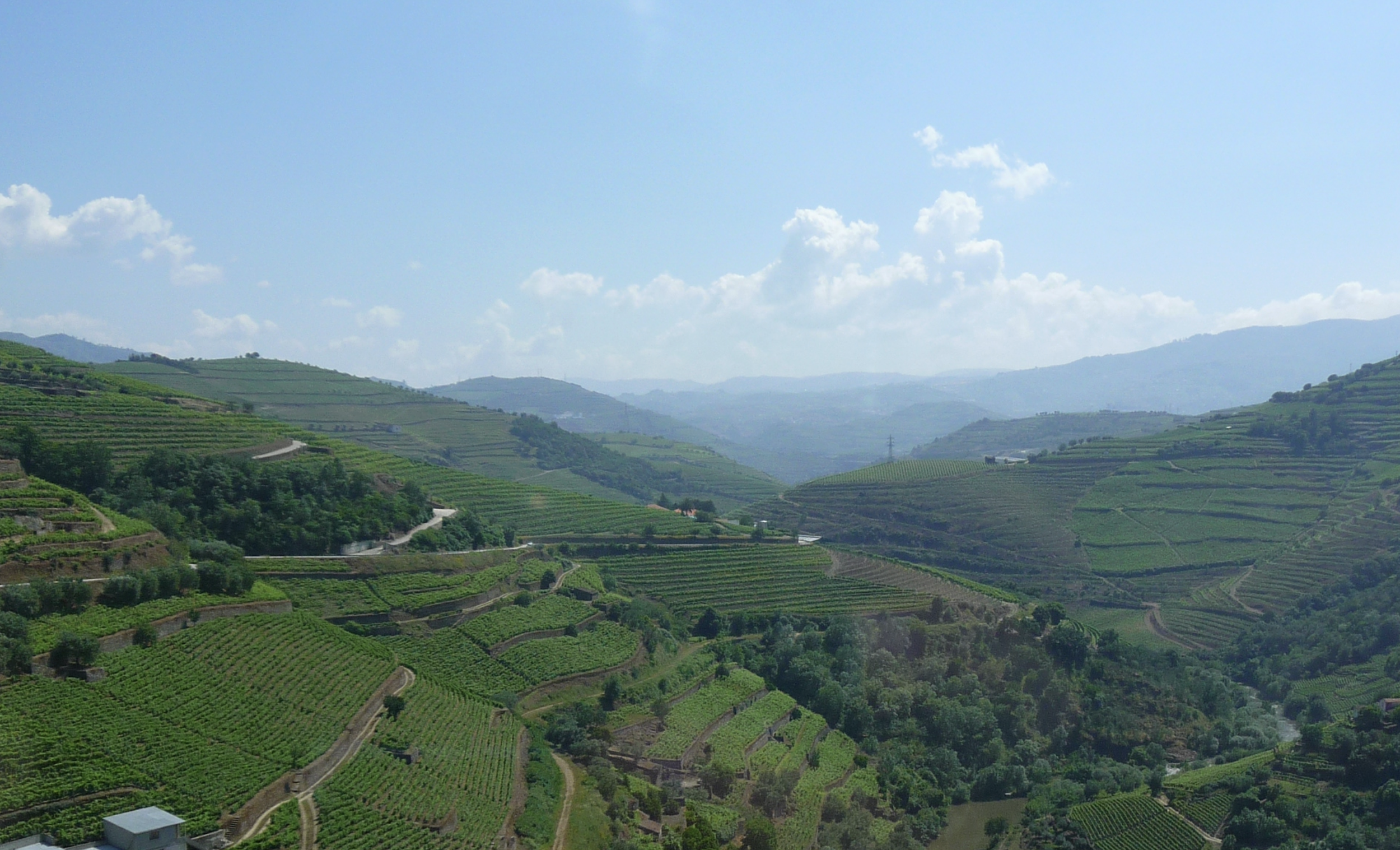
Alto Douro Wine Region in 2011as Seen From a Train. Image: Fimartinho via Wikipedia.
Created in 1756, the Douro wine region in Portugal is the oldest demarcated and regulated wine region in the world. It stretches along the Douro River in the north, where vines cling to steep, schistous hillsides and Porto, Portugal’s second-largest city, is situated at the mouth of the namesake river.
During a tasting in New York City led by Master Sommelier and GuildSomm International member Jonathan Eichholz, we explored twelve wines made from the Douro Valley’s native grape varieties, each showcasing the remarkable diversity and complexity of this iconic fortified wine.

Dan Latif Attends a Douro Valley Port Tasting in NYC. Image: Julien Fautrat.
Importantly, both Port and Douro wines come from the same area, but they differ in their production: Port is a fortified wine, made by adding grape spirit to halt fermentation, resulting in a wine that is both sweet and powerful. Douro wines, on the other hand, are unfortified still wines.
What is a Fortified Wine?
A fortified wine is a wine strengthened with a small addition of distilled spirit—usually grape brandy—either during or after fermentation, resulting in higher alcohol, deeper flavor, and often greater longevity.
Quality and origin are guaranteed by the Port and Douro Wines Institute (IVDP), the official body responsible for control, certification, and promotion. Every stage—from vineyard to bottle—is strictly regulated to ensure authenticity. As Mr. Eichholz noted, “Port is a highly controlled wine, from the vineyard all the way to the shop.”
The Many Types of Port

Douro Valley Port Tasting in NYC. Image: Julien Fautrat.
Beneath the discipline of its production lies an wide variety of styles and aromas. The twelve wines tasted during this seminar—from Ruby Reserve to 20-Year-Old Tawny, including exceedingly rare samples of Colheita and Vintage Joven—each demonstrated the full range of Port’s personality.
Ruby Ports
Ruby Ports are the most fruit-forward and robust styles. Deep in color, with bright red fruit aromas such as cherry and strawberry, they express the youth and energy of Port. Among them, Ruby Reserve, Late Bottled Vintage (LBV), and Vintage Joven stand out for their intensity and aging potential.
Tawny Ports
Tawnies, aged in oak casks, develop gentler and more complex flavors—notes of dried fruits, caramel, vanilla, and nuts. Their gradual oxidation over time results in a beautiful amber color and a silky texture. The age indication on the bottle—10 Year Old, 20 Year Old, or Colheita—reflects a careful blend and patient craftsmanship.
Why Is It Called Tawny?
The term Tawny refers to the wine’s color. As Port ages in small oak casks, slow oxidation causes its deep ruby hue to fade into a warm amber-brown, traditionally described as tawny. The name signals extended barrel aging and the development of nutty, caramel, and dried-fruit flavors rather than youthful fruit intensity.
White and Rosé Ports
Less known but increasingly popular, White Port and Rosé Port bring a fresher, more contemporary twist. Made from white grapes, White Port ranges from dry to sweet, while Rosé Port, with its lively strawberry and raspberry notes, is best enjoyed chilled, on ice, or in cocktails.
Balancing Tradition and Innovation

Jonathan Eichholz attends a Douro Valley Port Tasting in NYC. Image: Julien Fautrat.
While the methods of Port winemaking remain rooted in centuries-old tradition, Douro producers continue to innovate. They experiment with new aging techniques, refine blending practices, and highlight the native grape varieties that define the Douro’s character. This balance between heritage and creativity allows Port to remain both authentic and relevant in today’s evolving wine world.
A Wine for Every Moment
Port is not reserved only for special occasions. Its diversity makes it a wine for every moment—an aperitif, dessert pairing, or quiet evening drink. Each style offers its own experience, mood, and story.
As Jonathan Eichholz concluded: “Every Port tells a story — one of the Douro: of patience, and of the passion of those who make it.”

Sommelier Gabriella Magnani attends a Douro Valley Port Tasting in NYC. Image: Julien Fautrat.
Adding to that reflection, Gabriella Magnani, certified sommelier at La Compagnie des Vins Surnaturels, shared her perspective on the renewed appreciation for sweet wines: “I think dessert wines are starting to come back into fashion, which is exciting to see, since they're so often thought of as stodgy or saccharine. But there's so much complexity, specificity, and pleasure to be had.”
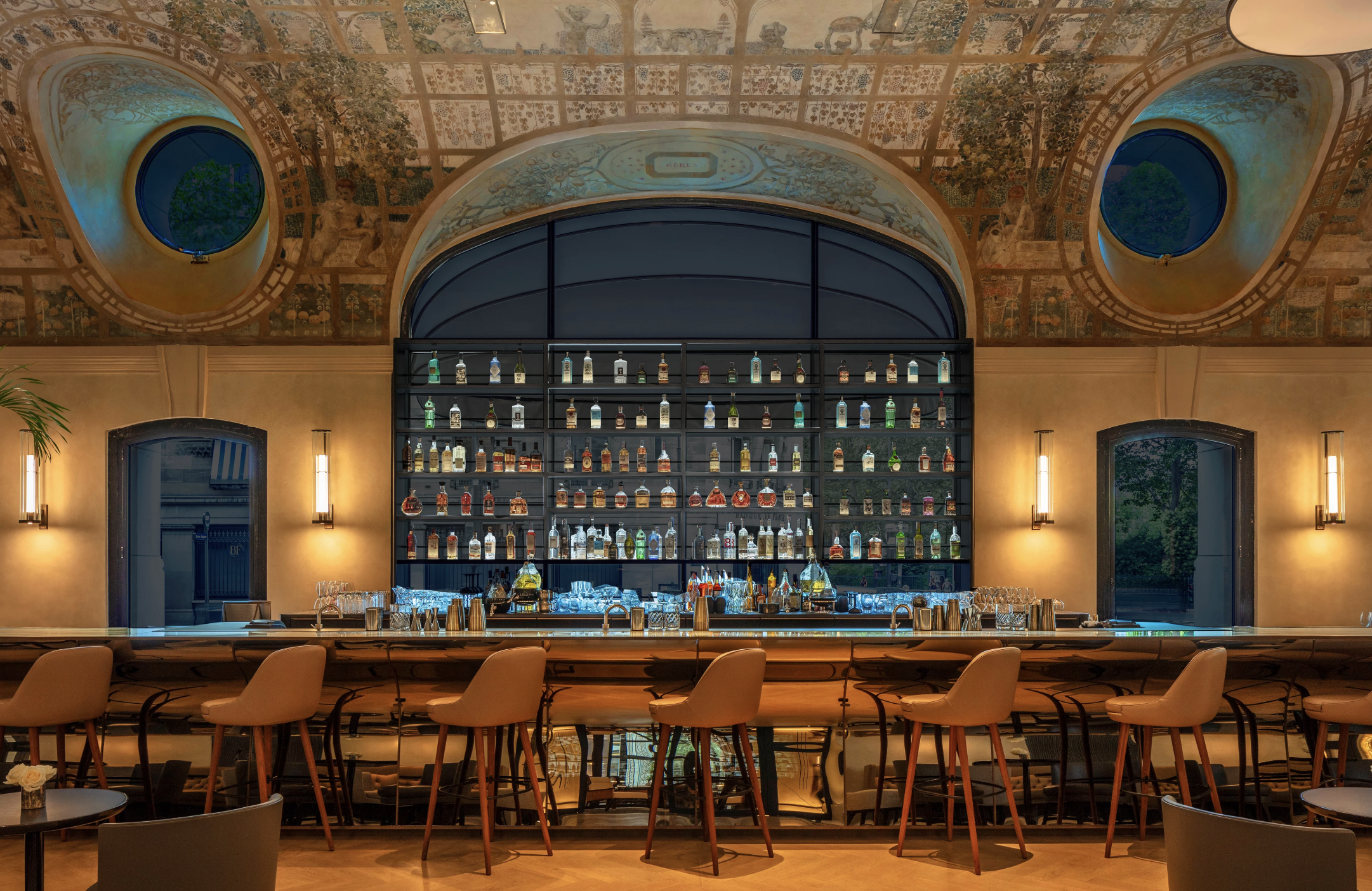


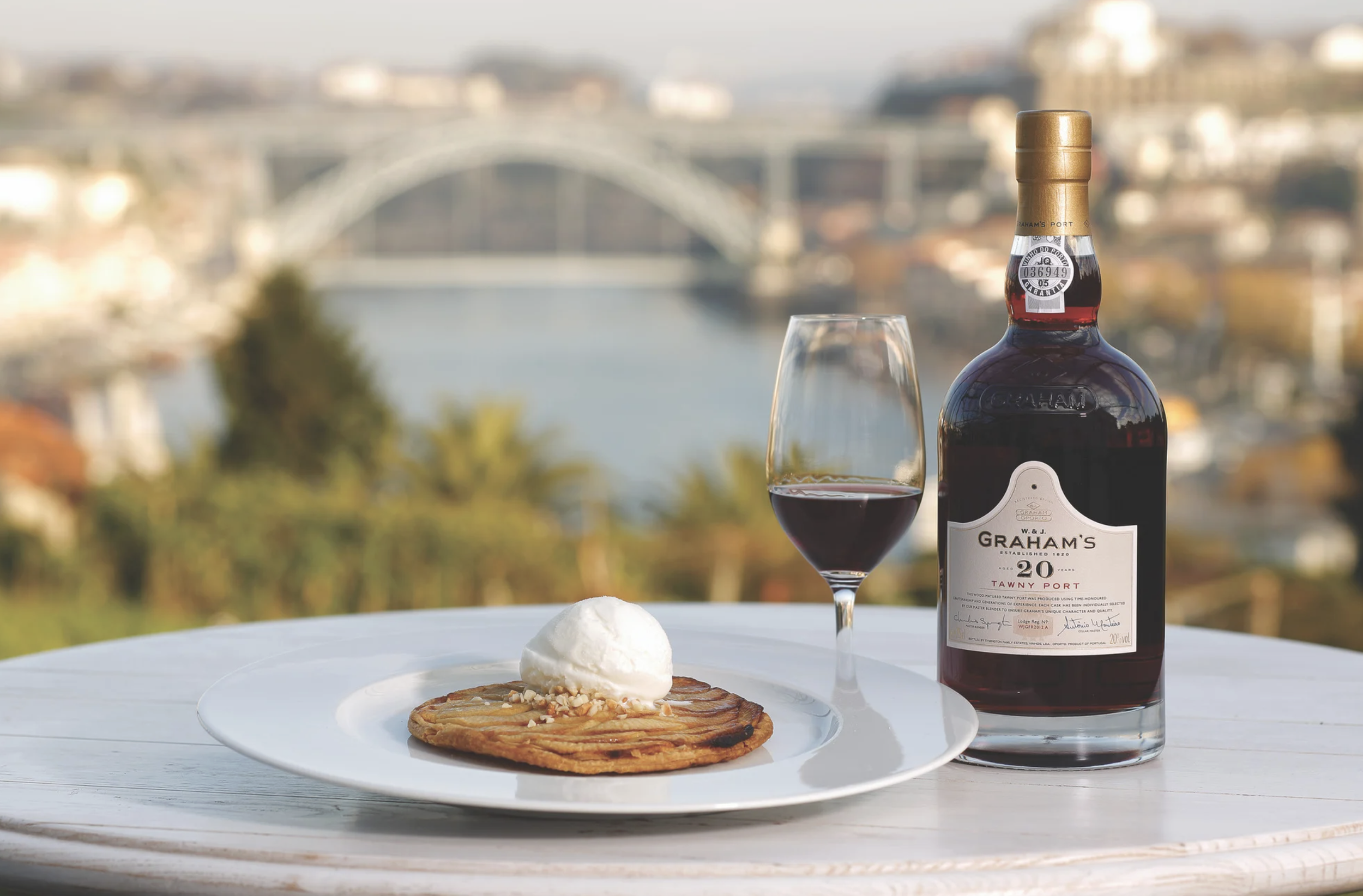
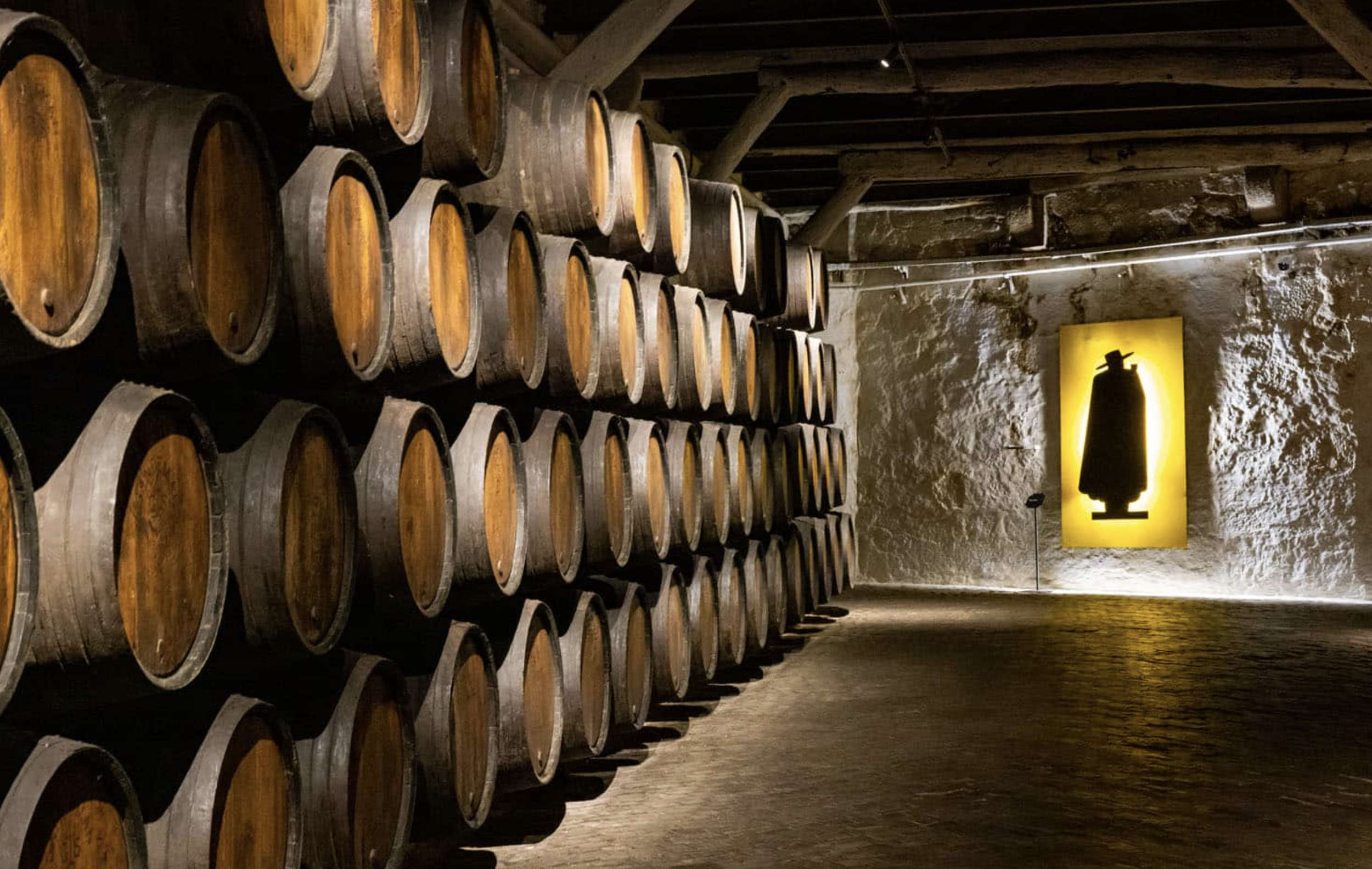













Port’s renewed appreciation feels less like a revival and more like a correction. Born in Portugal’s Douro Valley, the variety is remarkably diverse, pushing its categorization beyond the dessert menu. Here are best choices of one of the technically disciplined wine categories in the world.