
Africa Cup of Nations Morocco 2025: Inside Africa’s Most Influential Football Tournament
As the Africa Cup of Nations returns in Morocco, the tournament finds itself carrying more weight than ever before. Prize money has doubled, global broadcast reach has expanded, and the host nation is already preparing for the 2030 World Cup. The Interior Review goes inside AFCON 2025, exploring how the tournament has evolved and why it matters for the world of football.
Africa Cup of Nations Morocco 2025
The CAF Africa Cup of Nations (AFCON) is, in many ways, global football’s homecoming. Played on a scale comparable to the European Championship and Copa América, the tournament has shaped the global game for nearly seven decades by producing World Cup–winning players and generational talents through tightly knit teams and a distinctive, high-speed format. Club reputations are tested under national pressure, margins are thin, and long-standing regional rivalries give the competition a level of thrill few tournaments can match.
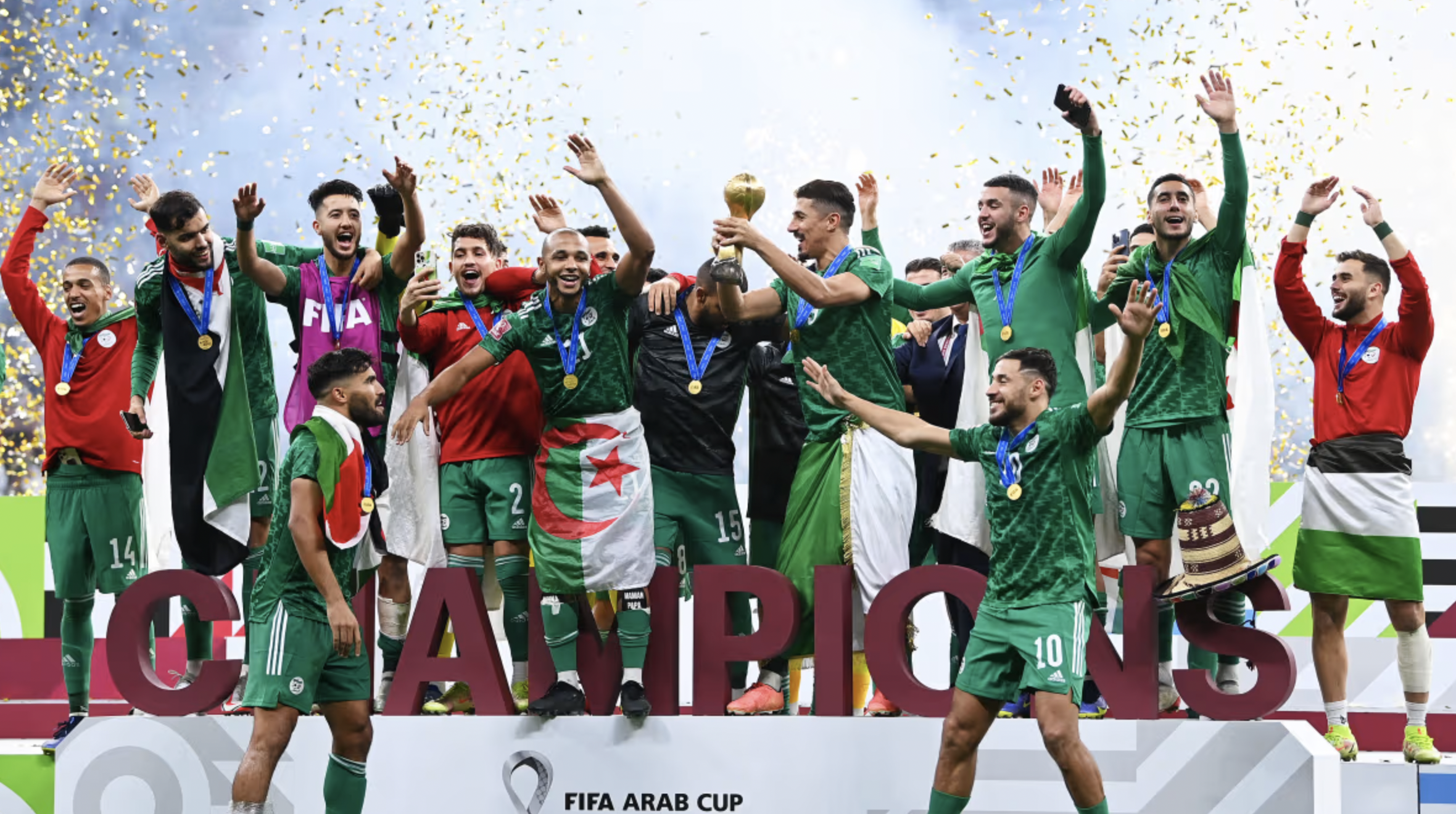
The tournament arrives at a moment of unusual continuity in international football, with several high profile competitions taking place. Morocco is certainly riding high with its FIFA Arab Cup Qatar 2025 win, having defeated Jordan in the final just last week.
AFCON is typically defined by physical matches, compressed schedules, and high emotional stakes. Group stages give way quickly to knockout rounds where margins are narrow and upsets are common. Preparation time is limited, rewarding cohesion and adaptability over star power alone.
A Brief History of AFCON
The Africa Cup of Nations was founded in 1957, making it one of the oldest continental championships in international football. The inaugural tournament featured just three teams, with Egypt emerging as the first champion. The opening match of that first edition was played between Egypt and Sudan, establishing a competition that would grow steadily in scale, intensity, and influence.
Over time, AFCON expanded alongside the continent’s football infrastructure and national identities. Egypt remains the most successful nation in the tournament’s history, while Cameroon, Ghana, Nigeria, and Algeria have each shaped defining eras. The tournament has long functioned as both a competitive summit and a cultural gathering point, often revealing future global stars years before they reached wider recognition.
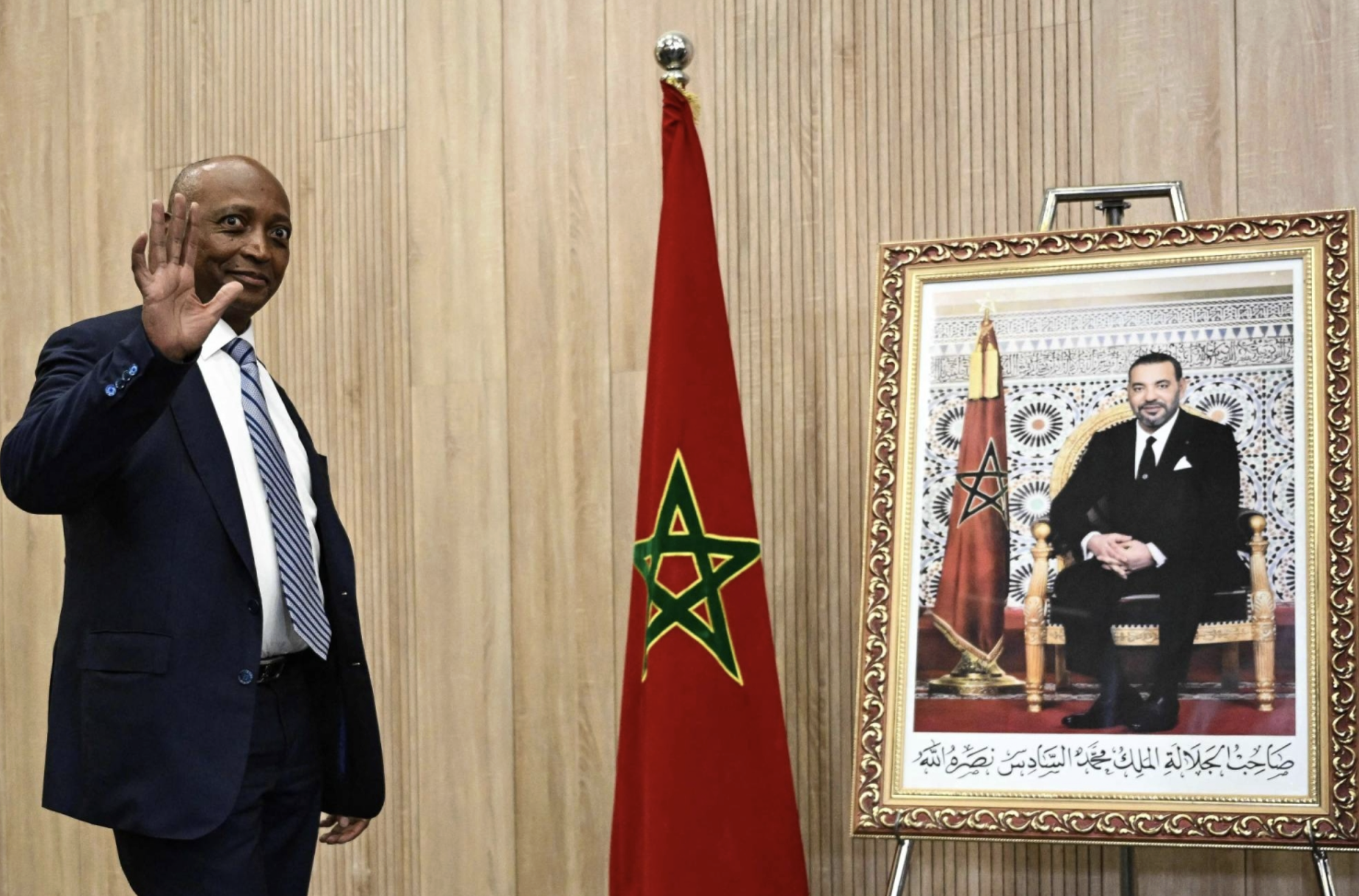
Confederation of African Football President Patrice Motsepe arrives at a news conference on Saturday in Rabat, Morocco, ahead of the start of the Africa Cup of Nations. Image: Sebastien Bozon via AFP.
Since the 2021 election of Patrice Motsepe as president of the Confédération Africaine de Football, the tournament is in the midst of renewed commercial focus and institutional reform and the momentum is apparent. AFCON prize money has increased sharply, sponsorship agreements have expanded, and the tournament’s global broadcast footprint has grown, repositioning AFCON within the modern international football economy.
What is CAF?
Confédération Africaine de Football (CAF) is Africa’s football largest governing body and one of FIFA’s six continental confederations. Founded in 1957, it represents 54 member associations and has had eight presidents, overseeing national teams, continental competitions, and World Cup qualification across the continent.
This year, TotalEnergies serves as title sponsor, alongside global partners like Orange, Puma, Visa, Tecno, Royal Air Maroc, Suzuki, and 1xBET. Now, the tournament has its first-ever Official Gaming Sponsor, KONAMI, and tourism support from ONMT (Moroccan National Tourism Office).
Players Come Home
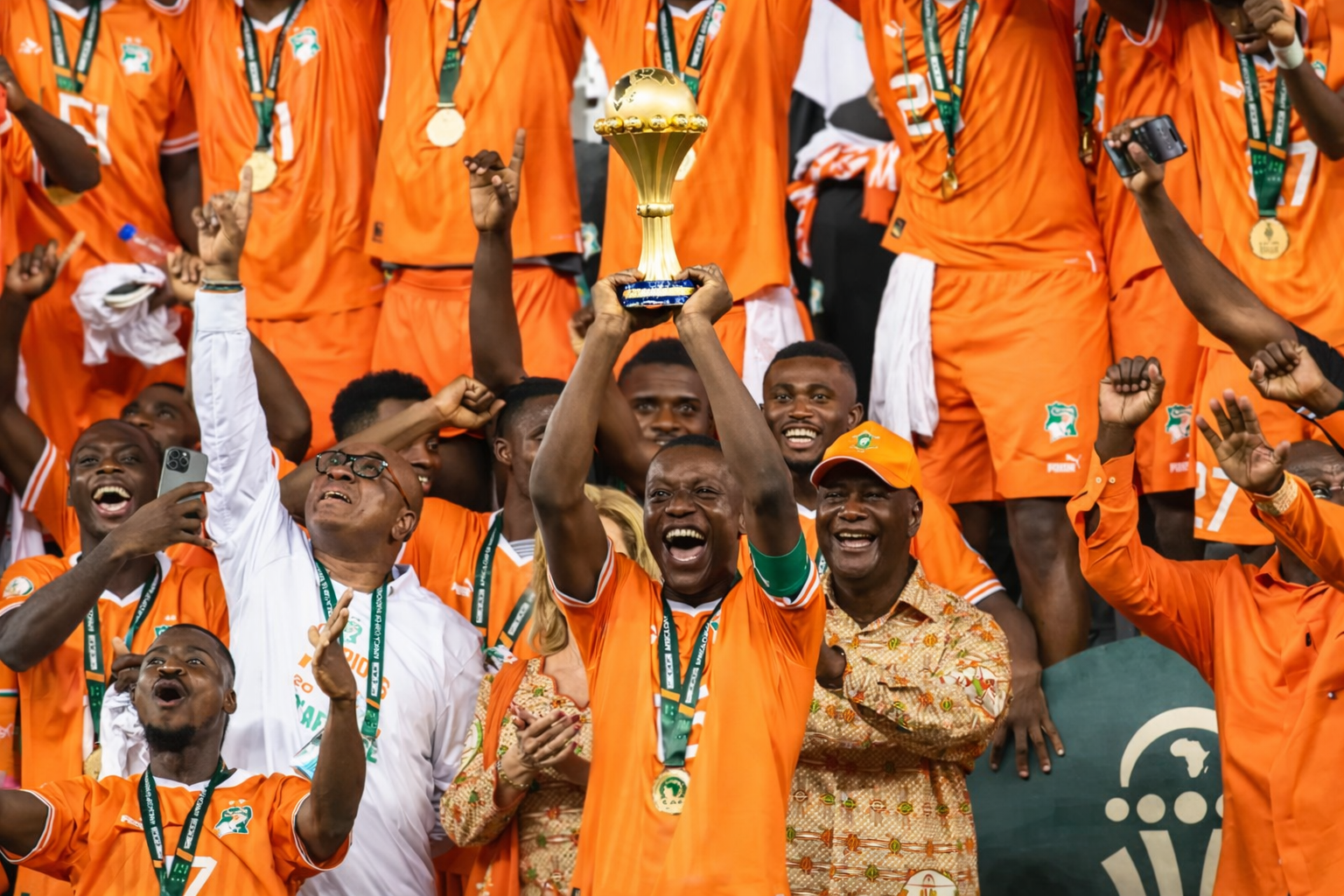
Ivory Coast celebrates Africa Cup victory in 2023. Image: via SportPesa.
More than anything, AFCON’s contributions to the list of footballer greats cannot be understated. While national teams often receive less coverage than club competitions, many of the players appearing at AFCON are widely known through Europe’s top leagues.
Morocco’s Achraf Hakimi is a regular presence in Champions League broadcasts with Paris Saint-Germain and remains one of the most recognizable full-backs of his generation. Goalkeeper Yassine Bounou, widely known as Bono, built his reputation with Sevilla before moving to Saudi Arabia and is closely associated with Morocco’s recent tournament runs.
Nigeria’s Victor Osimhen, a Napoli star and former Serie A top scorer, is among Europe’s most discussed forwards. Wilfred Ndidi has spent years as a Premier League fixture at Leicester City.
Egypt’s Mohamed Salah remains one of the Premier League’s most recognizable figures, while Algeria’s Riyad Mahrez is well known through his time at Manchester City. Egypt’s Omar Marmoush, now with Manchester City, represents a newer generation moving directly into elite European systems. Bryan Mbeumo of Manchester United and West Ham United defender Aaron Wan‑Bissaka further underline how closely AFCON squads overlap with the club game.
Morocco as Host

Morocco vs Niger match in the 2026 FIFA World Cup qualifiers at the Moulay Abdellah Stadium in Rabat, September 5, 2025. Image: Reda Benkhadra.
Morocco is hosting AFCON 2025 across a wide geographic footprint, with matches staged in Rabat, Casablanca, Marrakech, Tangier, and Agadir, and fan activity extending well beyond the host cities. Public viewing areas and fan zones will operate in locations including Essaouira, El Jadida, Oujda, Beni Mellal, and Laayoune, creating shared viewing environments across the country.
The Moroccan National Tourism Office, working in partnership with the Royal Moroccan Football Federation, has rolled out a coordinated cultural and travel program around the tournament. Initiatives include curated city guides and match day information distributed through the YALLA sports app and the Visit Morocco platform, alongside dedicated AFCON travel packages developed with international tour operators.
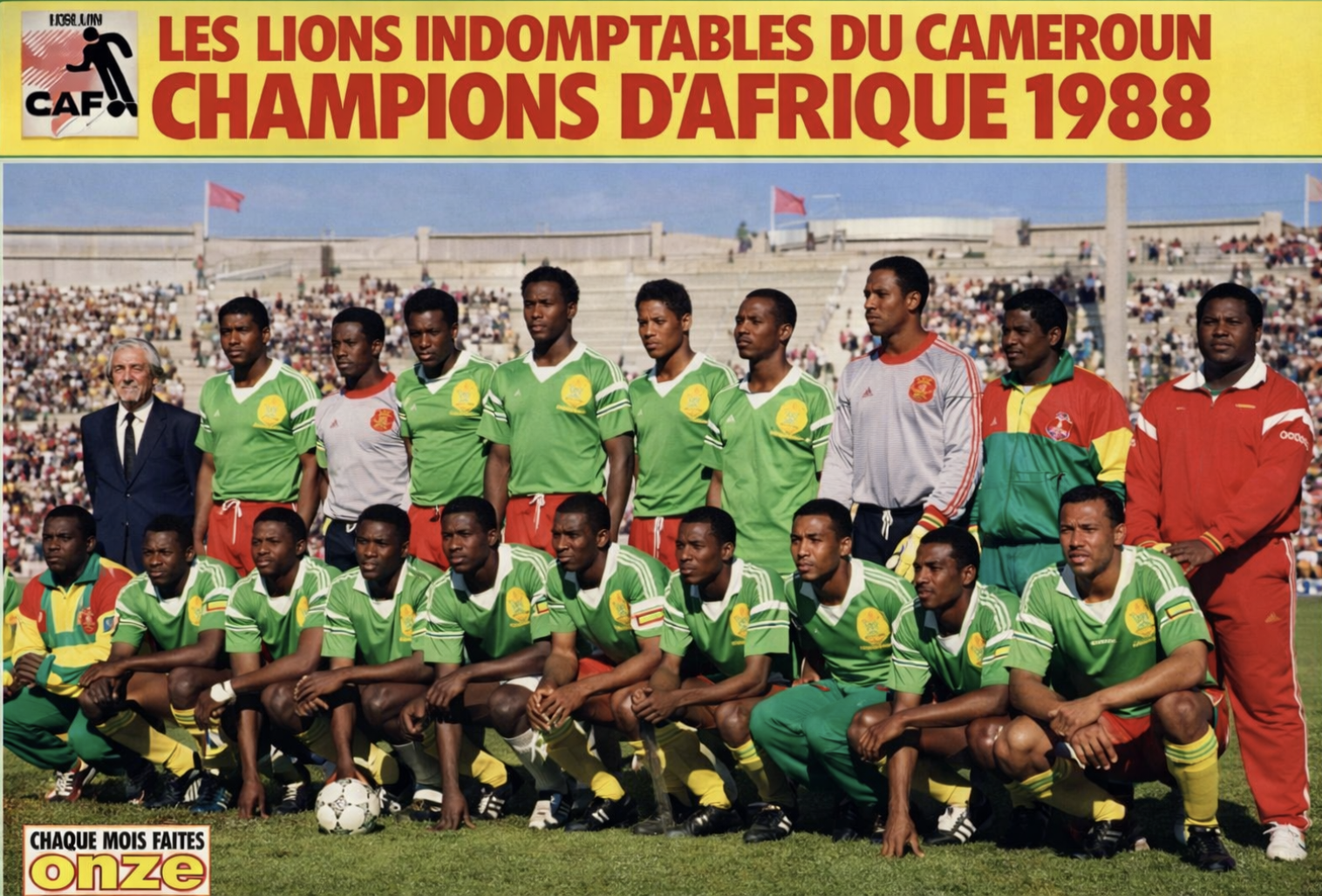
Second Time Around
This is the second time Morocco has hosted the Africa Cup of Nation. The first time was in 1988. That tournament was won by Cameroon.
A global promotional campaign, Morocco, Land of Football, is anchored by a short film featuring national team figures such as Achraf Hakimi and Brahim Díaz, alongside scenes of everyday football culture across the country. Inside stadiums, official hospitality programs by MATCH Hospitality, including Atlas Lounge and Rose Suite experiences, extend the match day atmosphere through Moroccan design, dining, and live entertainment.
These efforts position AFCON 2025 not simply only a sporting event, but as a practical rehearsal for the FIFA World Cup 2030, which Morocco will co-host with Spain and Portugal.
AFCON 2025 Prize Money
One of Patrice Motsepe’s most consequential achievements as president has been the steady expansion of AFCON prize money, now $10 million for the 2025 tournament. Thanks to a mature commercial strategy, long-term sponsorship and higher-value broadcast deals negotiated by Motsepe, the tournament’s increased institutional weight and the seriousness with which federations approach it has led to a doubled top prize over four years, from just $5 million at AFCON Cameroon 2021.
Beyond the winner, prize money is distributed across finalists and semi-finalists, providing meaningful funding that national associations often reinvest in player bonuses, domestic league support, youth development programs, training facilities, and federation operations.
AFCON Morocco 2025
What’s happening: Africa’s premier international football tournament, with roots dating back to 1957.
Why it matters: AFCON combines historical depth with a modern competitive and financial scale that aligns it with the world’s major continental championships.
What’s involved: Group matches, knockout rounds, and a final hosted across Morocco. All 52 matches will be broadcast in full in the United Kingdom by Channel 4, marking the first time the tournament is entirely free-to-air in the Kingdom. Other streaming services include
Sunday, December 21, 2025 through Sunday, January 18, 2026 in cities across Morocco. Final takes place at 2:00 PM ET (UTC-5) at Prince Moulay Abdellah Stadium in Rabat, Morocco. Information and tickets here.
More in Morocco



The Latest from The Interior Review






As the only FIFA managed regional tournament, the FIFA Arab Cup Qatar 2025 returns to Qatar for the third time with breakthrough talents, returning champions and new World Cup qualifiers all entering in top form. Here is your essential guide.