Visiting the Sam Maloof House and Foundation: A Master of American Furniture Design on Route 66
At the foot of the San Gabriel Mountains, the historic home of American furniture designer and woodworker Sam Maloof is open to visitors. Writer Dan Latif and photographer Julien Fatraut explore the house, workshop, and gardens of a man who spent decades perfecting the art of sitting well.
Sam Maloof's Woodworking: The Story of a Lifetime
When Sam Maloof first began working in the 1940s, he used whatever he could find and reused available materials. This habit can still be seen in his own house, where pieces of wood originally intended for other purposes became part of the structure. He was able to see potential where others might simply have seen something to throw away. Although the house was built in 1953, it was expanded in this way for nearly five decades.
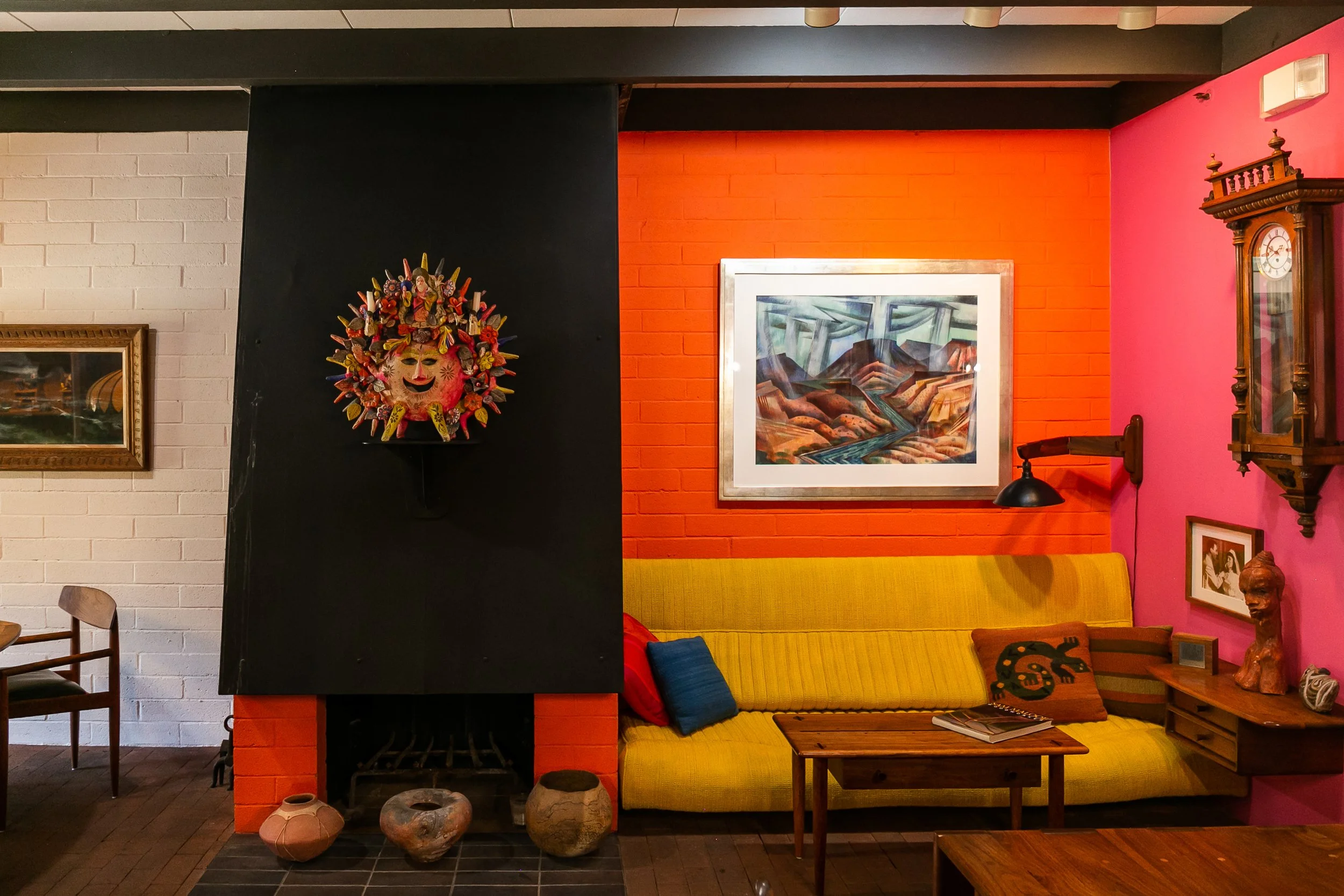
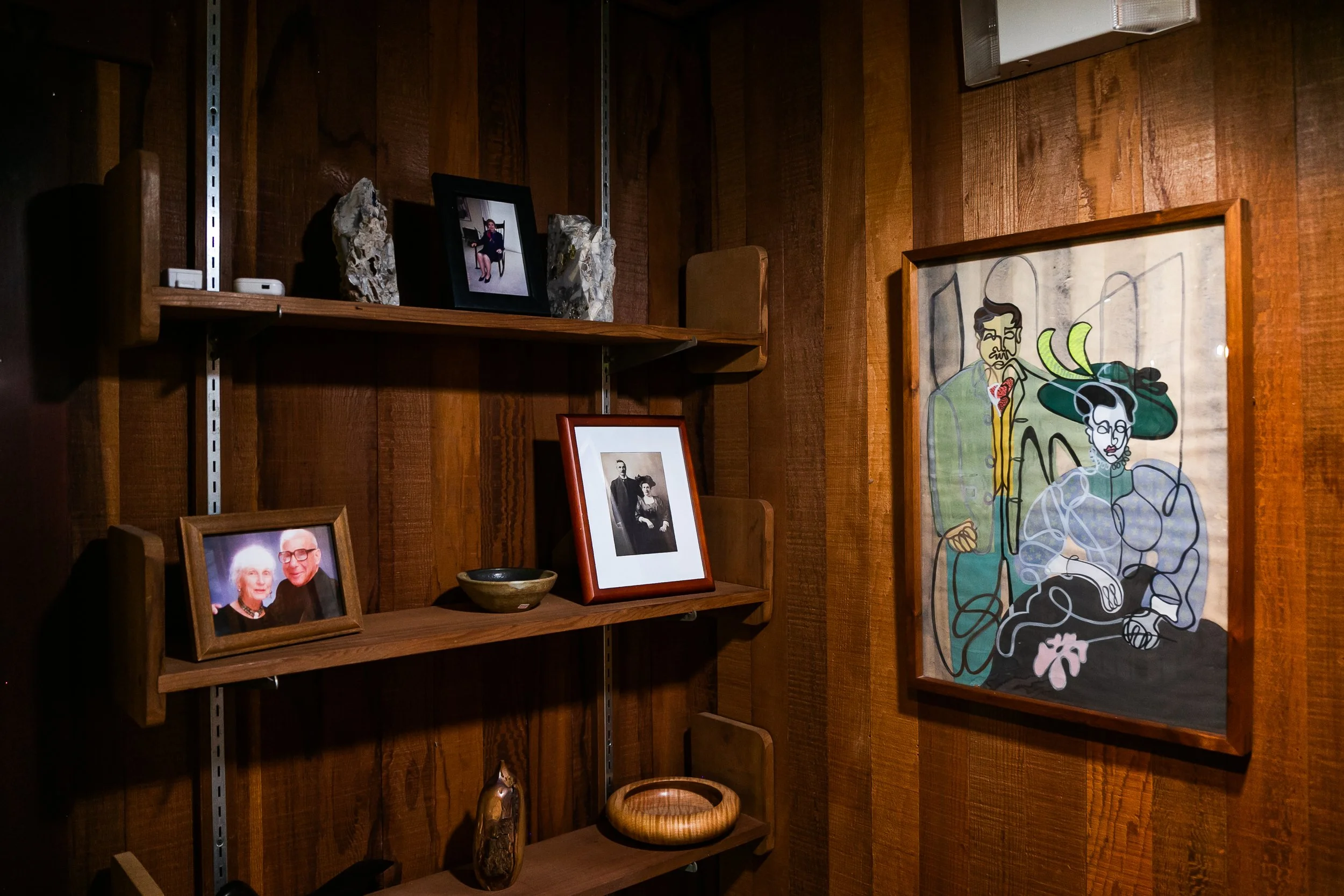
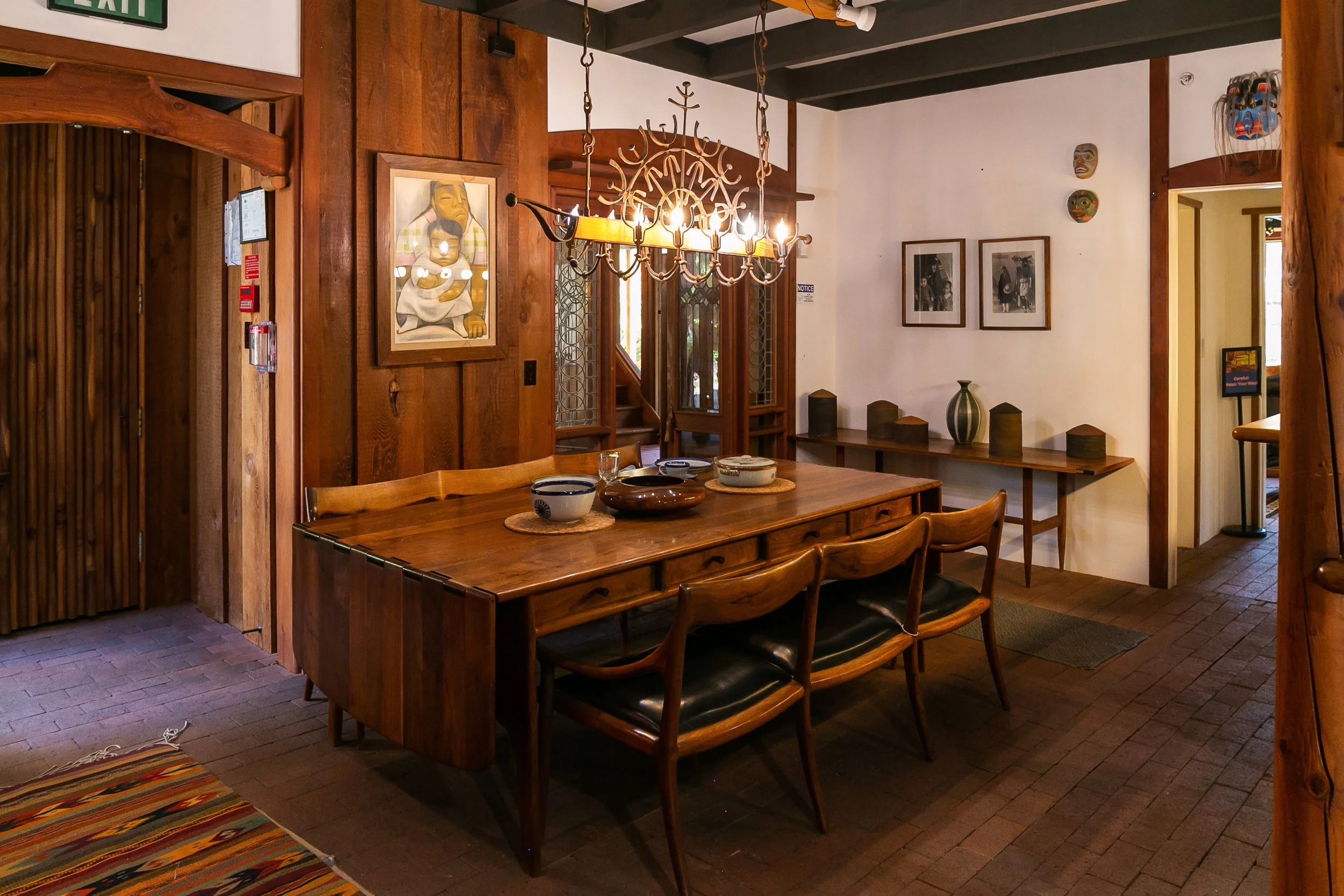
Interior of the Maloof House at the Maloof Foundation in Rancho Cucamonga, CA. Image: Julien Fautrat.
The house, now open to the public, is perhaps the best way to understand his world as a whole. The furniture and the architecture belong to the same place and reflect the same way of thinking about volume, proportion and use. The structure, doors, handles, storage and seating all fit together naturally and harmoniously.
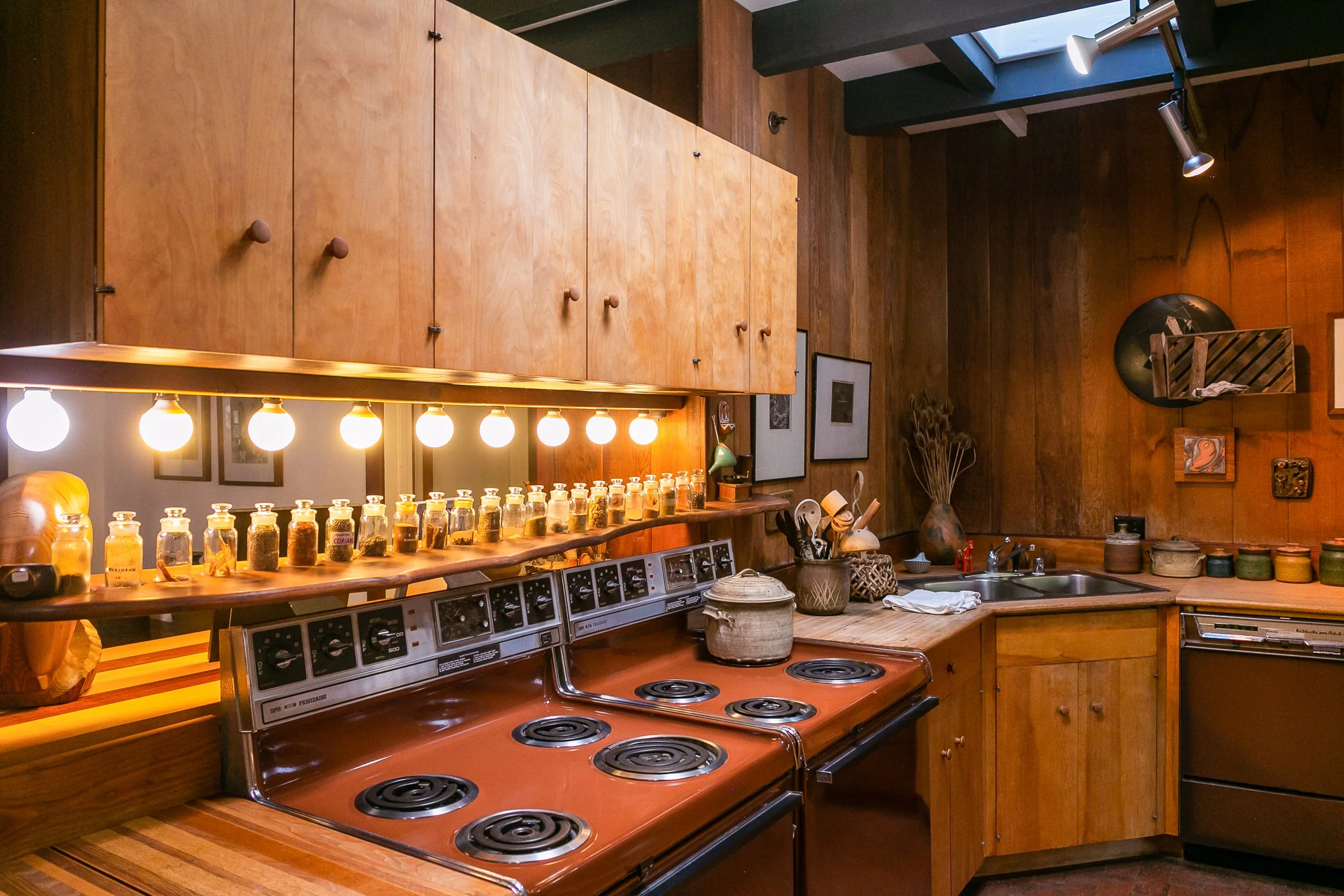
Interior of the Maloof House at the Maloof Foundation in Rancho Cucamonga, CA. Image: Julien Fautrat.
It soon becomes clear why the visit goes beyond simply discovering one of the great names in American design. It leads to a closer look at an object we rarely think about, despite spending a considerable part of our lives on one: the chair.
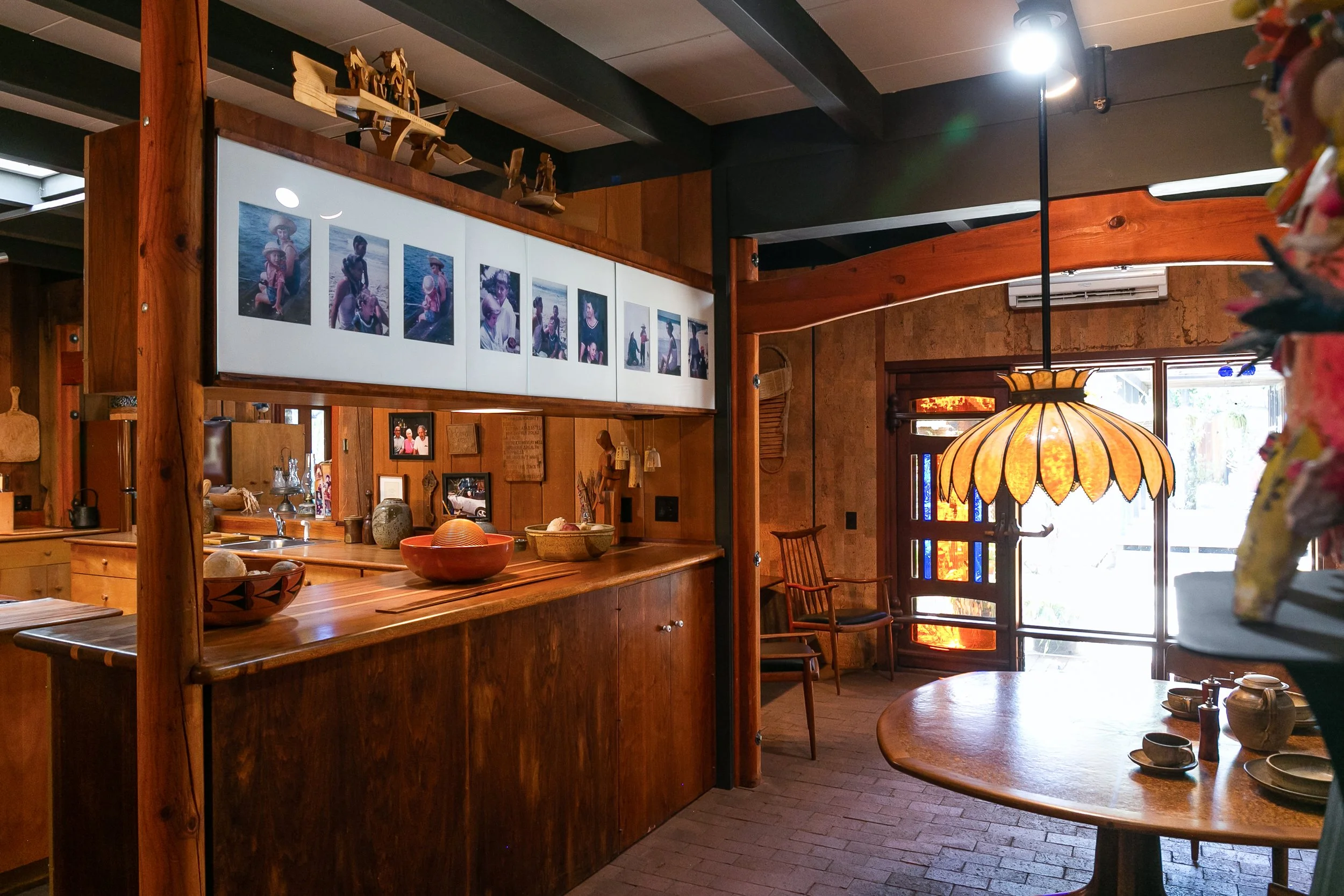
Interior of the Maloof House at the Maloof Foundation in Rancho Cucamonga, CA. Image: Julien Fautrat.
The Sam Maloof Rocking Chair and the Pursuit of Comfort
A chair raises very simple, very practical questions. At what height should we sit? How should the back be supported? Where should the arms rest? What angle should the back have? How should the weight of the body be distributed? And how can all of this be resolved without compromising the line of the piece?
This is probably what makes Maloof’s obsession with seating so compelling. In his search for the best possible chair, he reminds us that comfort and aesthetics are not separate concerns. A beautiful chair that becomes unbearable after ten minutes has missed something. So has a perfectly comfortable chair with poor proportions.
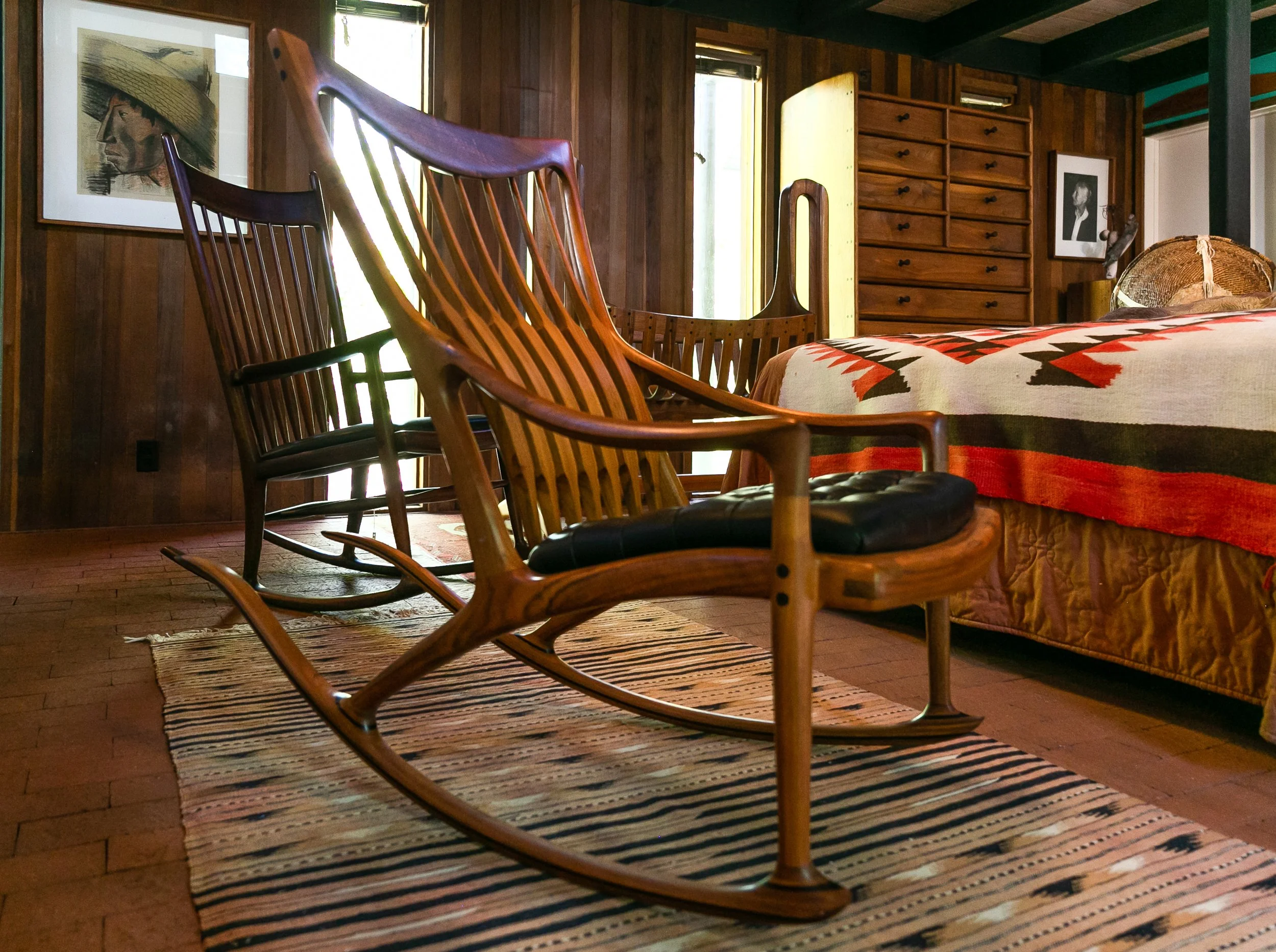
Sam Maloof Rocking Chair at the Maloof House at the Maloof Foundation in Rancho Cucamonga, CA. Image: Julien Fautrat.
His rocking chair is probably the best-known example of this pursuit. Its proportions and the continuity of its lines make it immediately recognizable, yet everything begins with the body and the position of the person sitting in it. Maloof never stopped refining this question of seating, down to the simplest details.
It is impossible not to think of Gerardo Torres, our chair specialist and founder of Brooklyn Design Archive, who would have loved this place. He would probably have studied every joint, tested every backrest and spent a great deal of time trying to understand why one angle or curve works better than another. It is hard to imagine a better place for that kind of conversation.
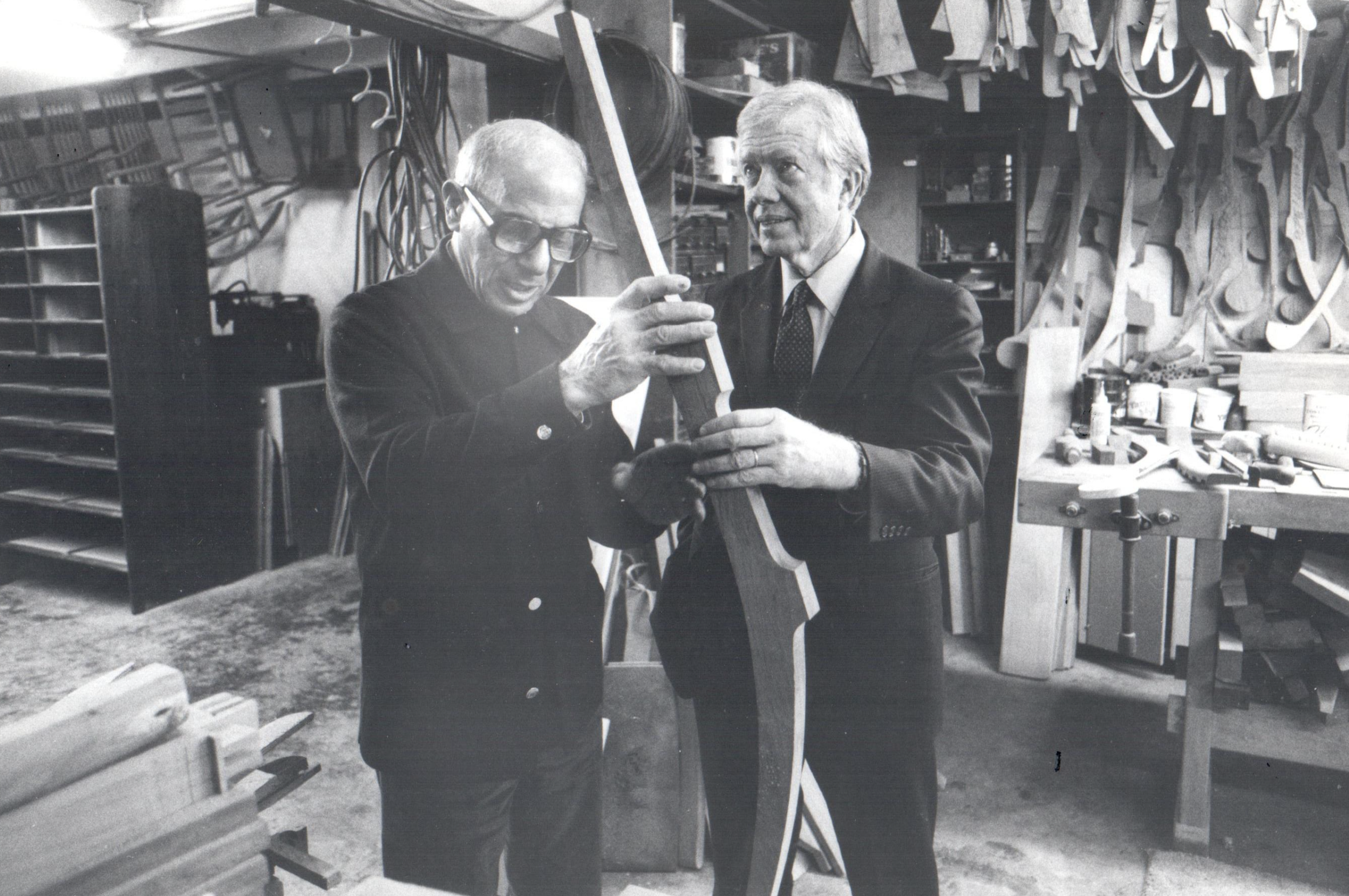
Sam Maloof works in his workshop with former President Jimmy Carter in 1984. Image: via Sam Maloof Foundation.
Jimmy Carter owned one of his famous rocking chairs. A woodworking enthusiast himself, Carter developed a friendship with Maloof. It also says something about the stature this California craftsman had eventually reached, with some of his furniture requiring several years of waiting after an order was placed.
Beyond the Rocking Chair: Sam Maloof's Furniture Designs
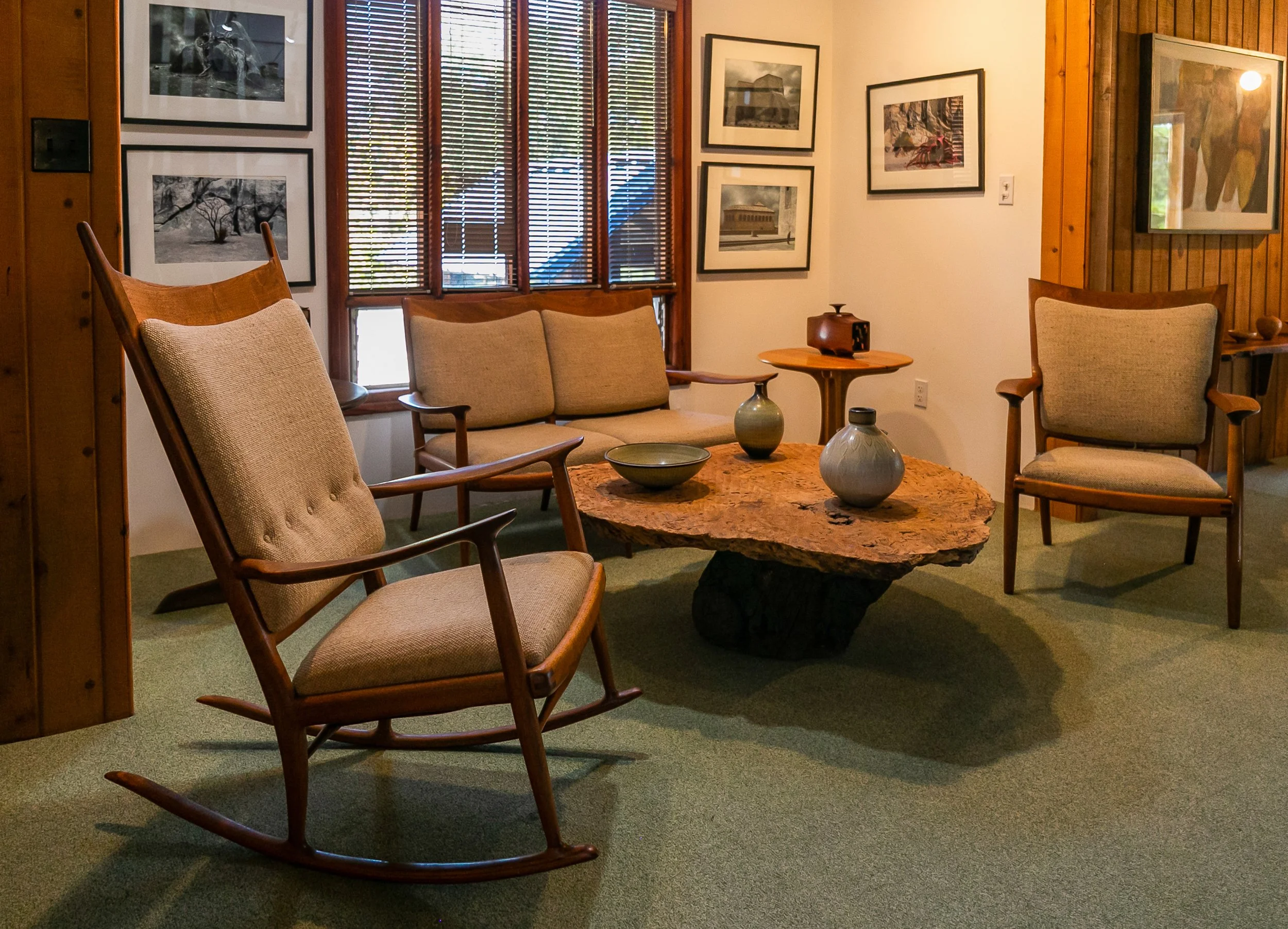
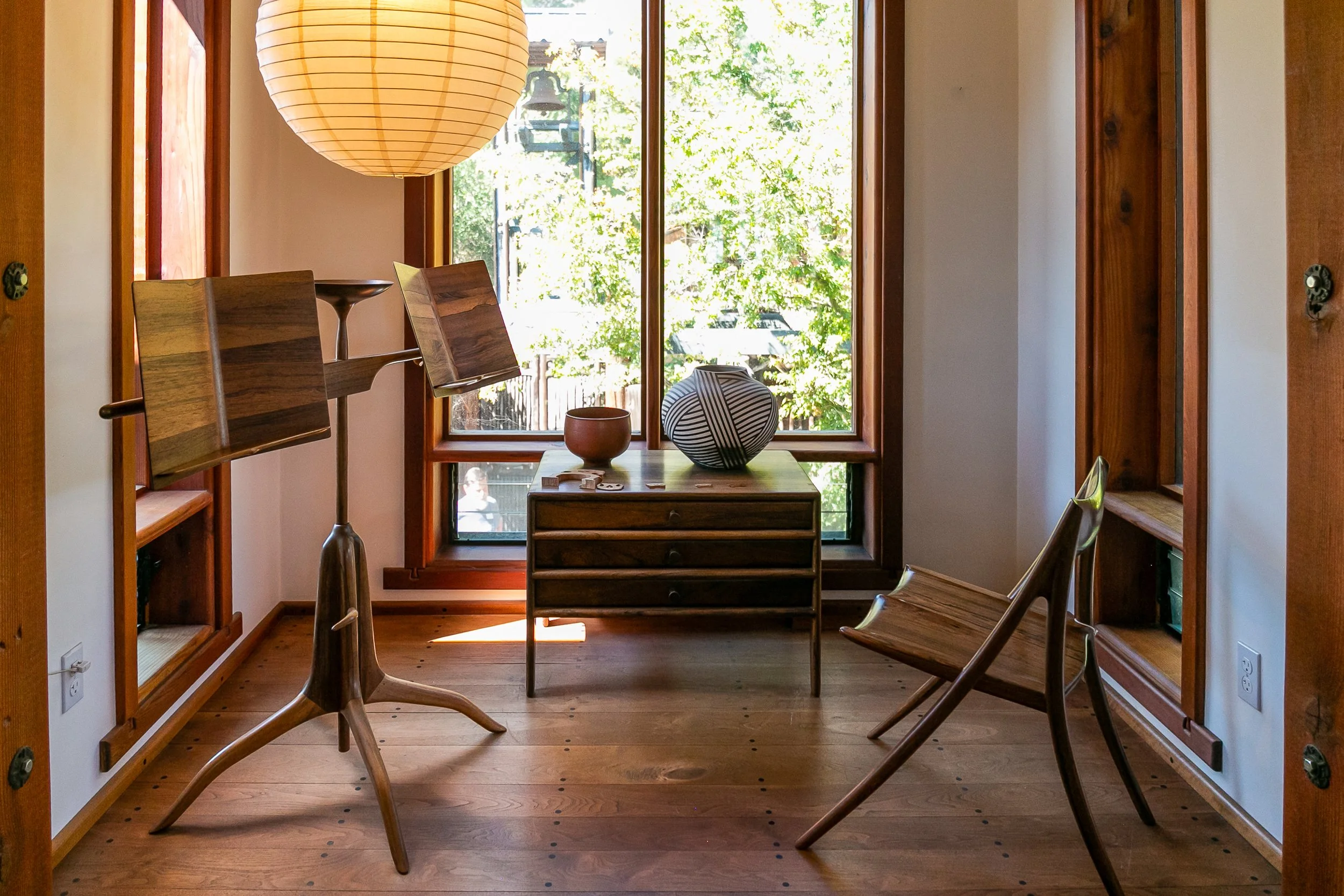
Work by Sam Maloof at the Maloof House at the Maloof Foundation in Rancho Cucamonga, CA. Image: Julien Fautrat.
The rocking chair, however, represents only one part of his work. Throughout the house and the Foundation’s collections, one finds Hornback chairs, armchairs, benches and seating designed for one or two people, as well as secretaries, tables, game tables, chessboards, book and music stands, cradles and even couches made for psychologists’ offices.
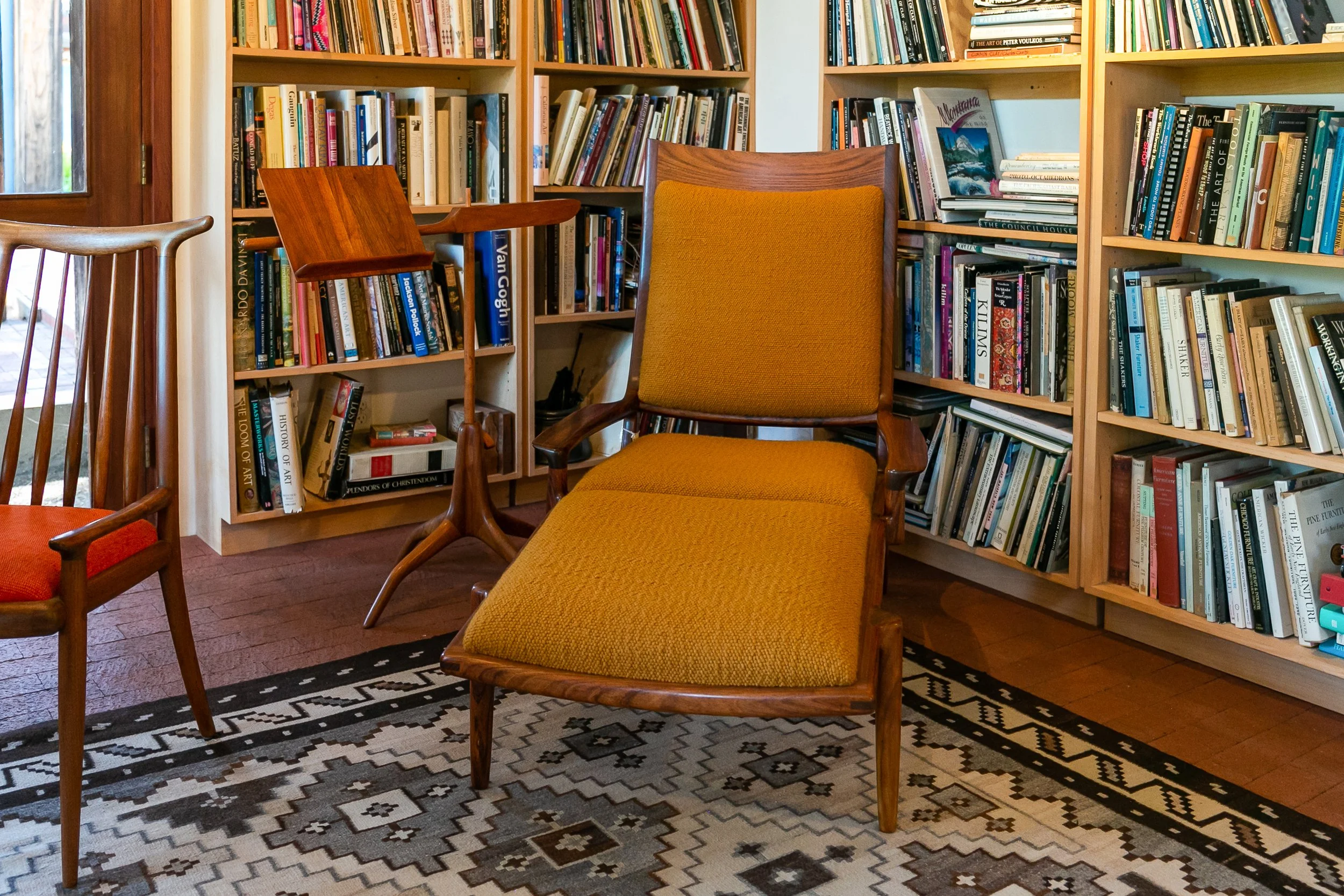
Work by Sam Maloof at the Maloof House at the Maloof Foundation in Rancho Cucamonga, CA. Image: Julien Fautrat.
This variety matters because it shows that Maloof was not simply repeating a recognizable style. Entirely self-taught, he was interested first in the function of each object and in the way it should be made. Some of his seating recalls Danish Modern furniture in its simplicity, its relationship with wood and its clean lines, but his work remains deeply personal, particularly in the joints and in the way the volumes are sculpted.
His famous Maloof joint, a reinforced joint that became one of his signatures, is a perfect example. The technique is part of the design. It is not concealed, but integrated so naturally into the shape of the furniture that it almost disappears.
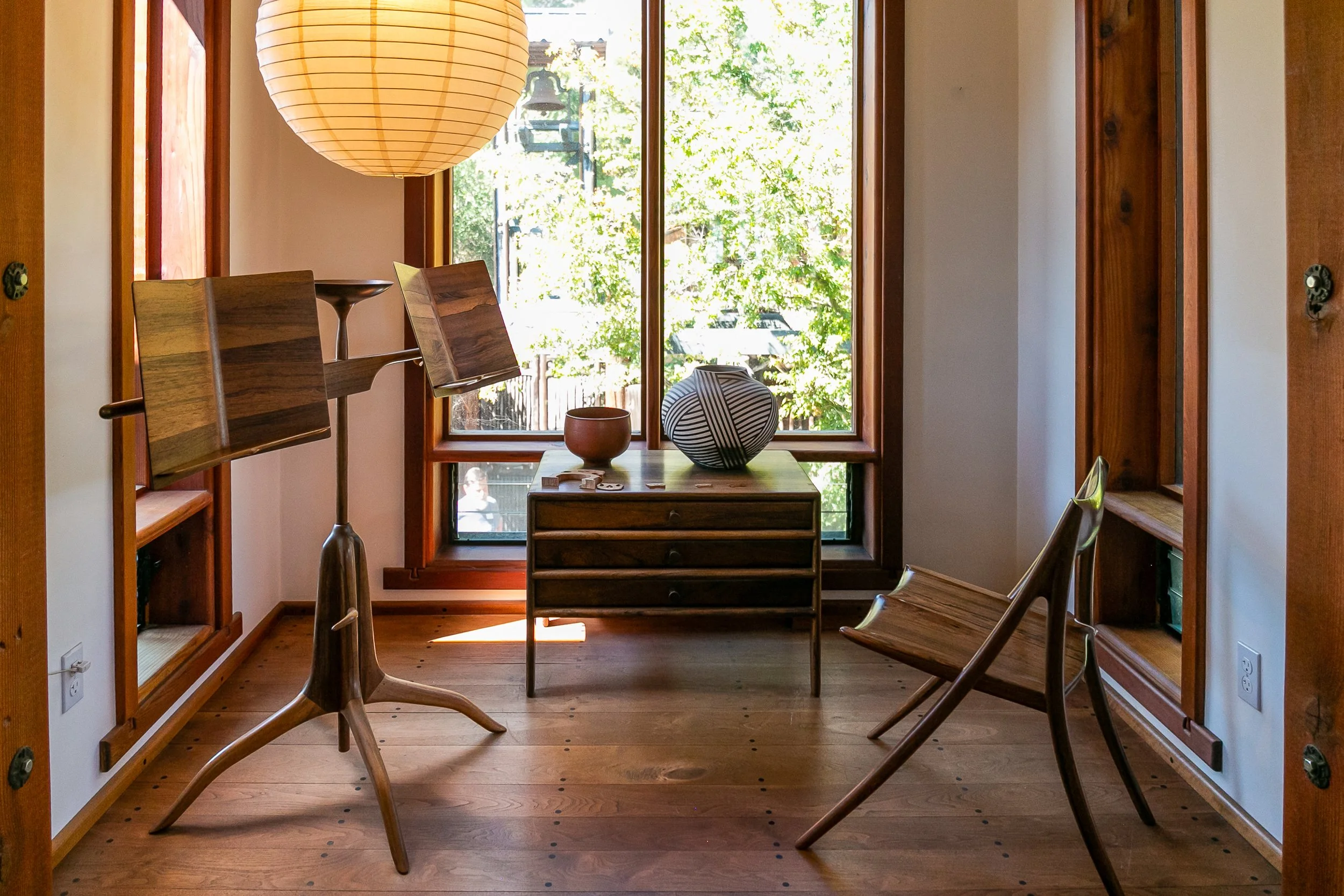
Work by Sam Maloof at the Maloof House at the Maloof Foundation in Rancho Cucamonga, CA. Image: Julien Fautrat.
This is also what makes his pieces so irresistible to touch. Armrests, backs and joints are worked down to the smallest curve. In front of some of his chairs, you almost instinctively run your hand over the wood to understand how they were made.
Inside Sam Maloof's Woodworking Workshop
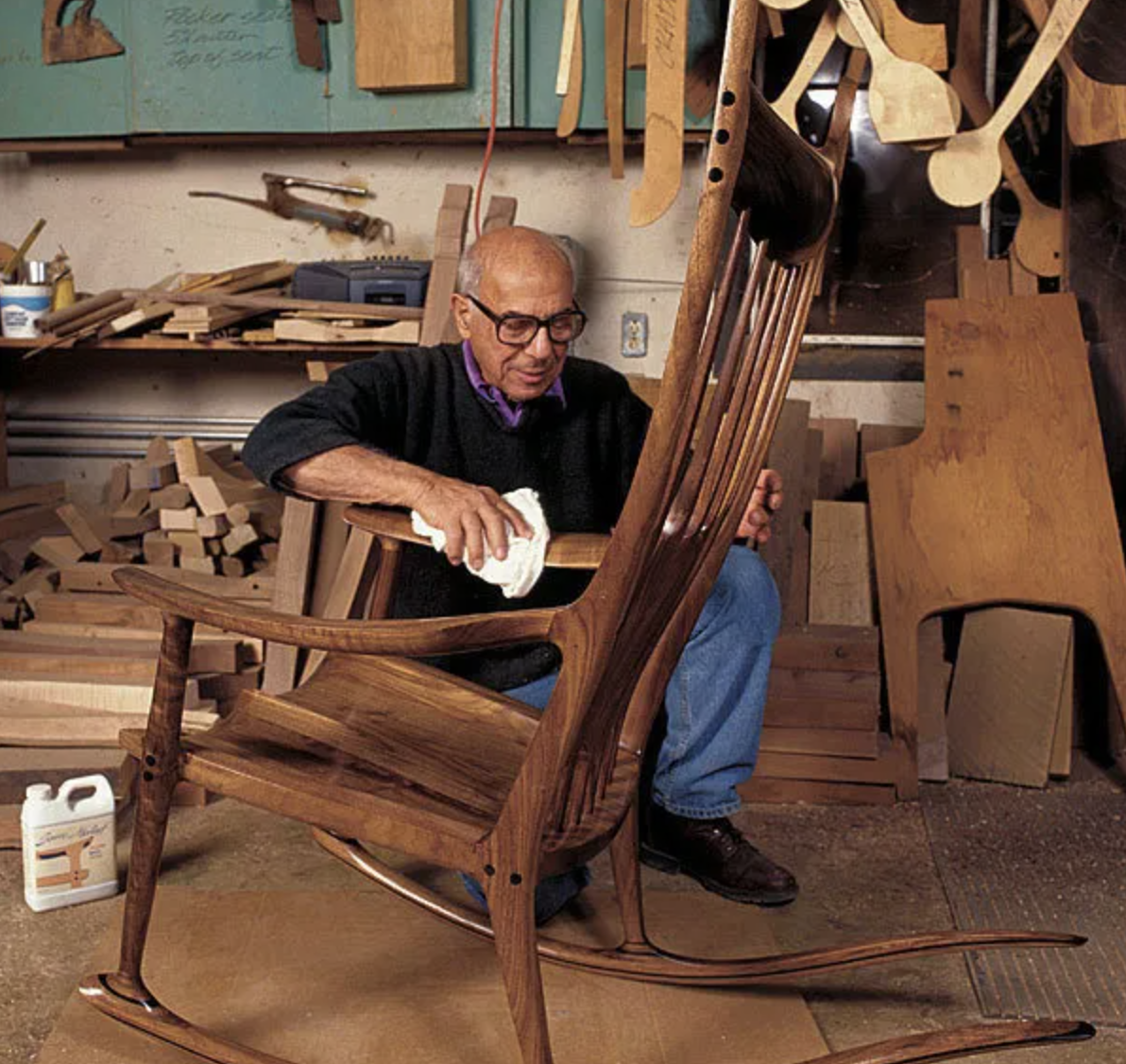
Sam Maloof working on a chair. Image: via Designing and Building Chairs (2006).
Visiting his workshop also reveals how important manual work was to him. Maloof wanted to continue making his pieces and handling them himself. He worked with wood until the final years of his life, maintaining an almost direct relationship with his tools, sometimes without the protections we would now consider essential.
That physical relationship with the material was part of his process. He would draw a piece, make it, then alter it according to what he saw and what he felt under his hand. His furniture also comes from this very practical knowledge of wood, its strength, its grain and the way a curve can be shaped without compromising solidity.
Over time, walnut became one of the woods most closely associated with his work. His furniture is defined by simple lines, noble materials and extremely precise construction. There is very little decoration and no unnecessary embellishment. Form comes first from use, from the wood itself and from the way the different elements are joined together.
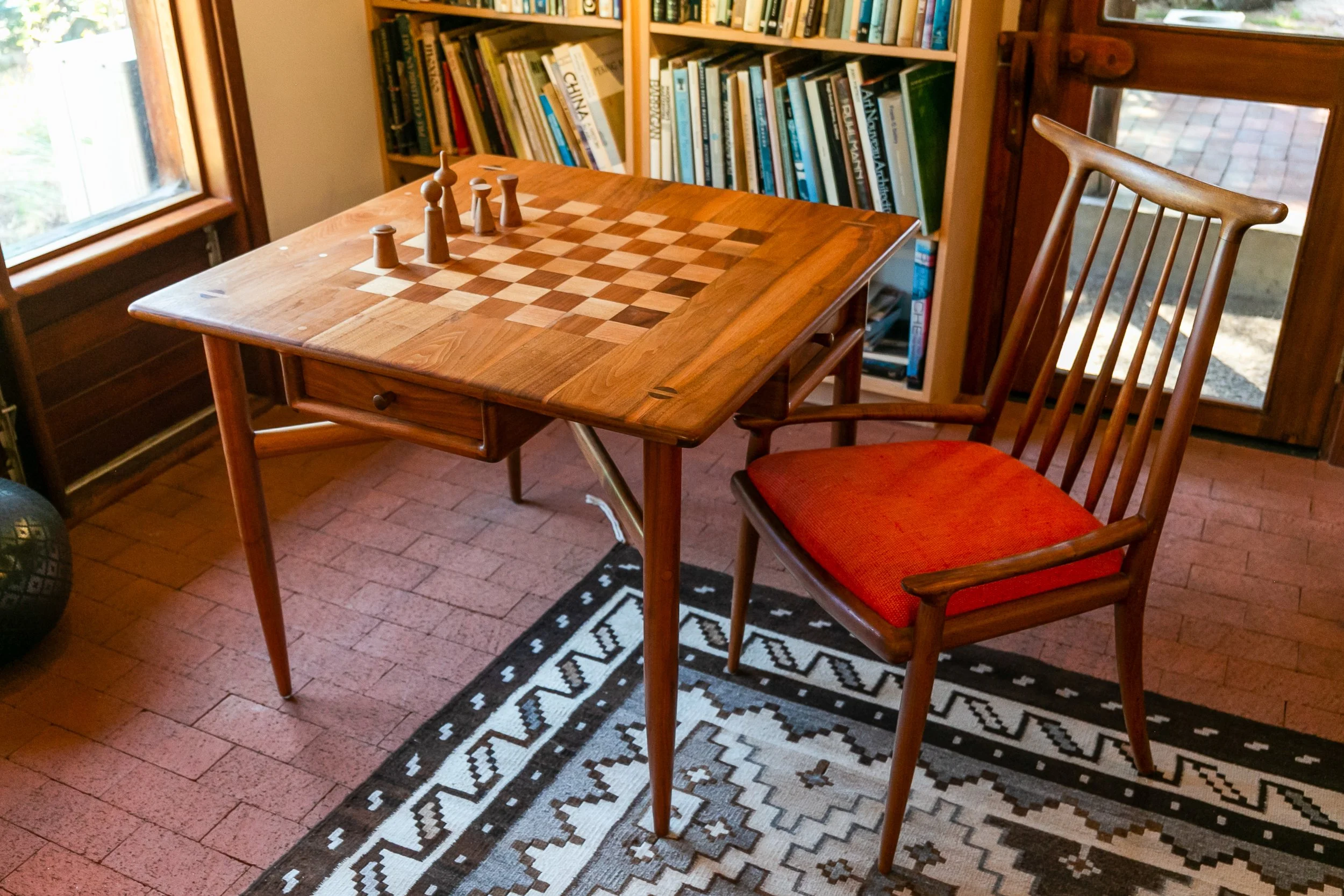
Work by Sam Maloof at the Maloof House at the Maloof Foundation in Rancho Cucamonga, CA. Image: Julien Fautrat.
There is something rather joyful in learning that, at an age when many people would have long since slowed down, Maloof was still working and driving a Porsche convertible. It adds an unexpected detail to his personality, though somehow it does not feel surprising once you have seen his house and workshop.
Visiting the Sam and Alfreda Maloof Foundation in Rancho Cucamonga
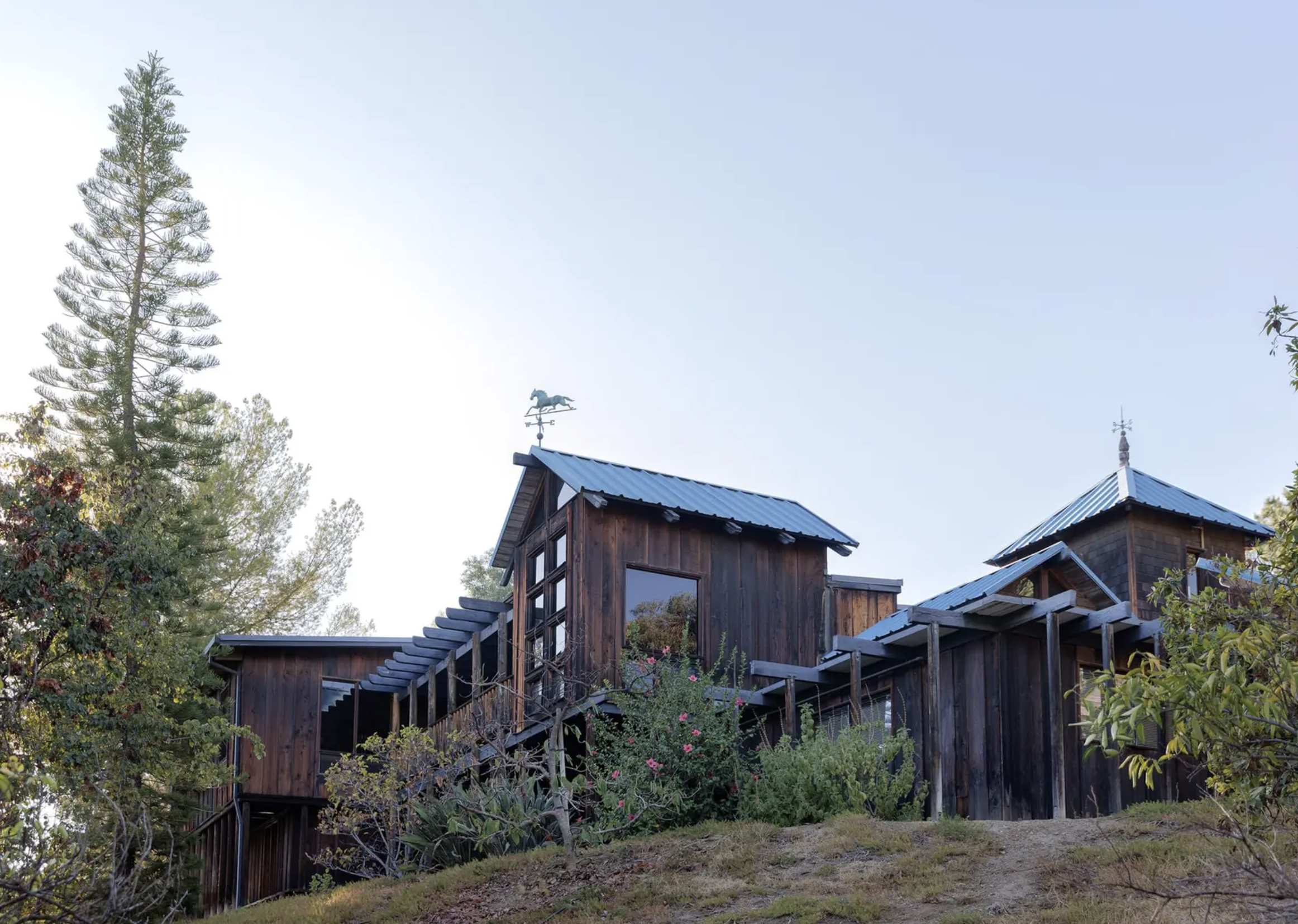
The Sam and Alfreda Maloof Foundation for Arts and Crafts. Image: Ryan Schude via Every Museum of Greater Los Angeles.
The Sam and Alfreda Maloof Foundation for Arts and Crafts is a member of the Historic Artists' Homes and Studios program (HAHS) of the National Trust for Preservation. HAHS is a coalition of 30 museums that were homes and working studios of American artists.
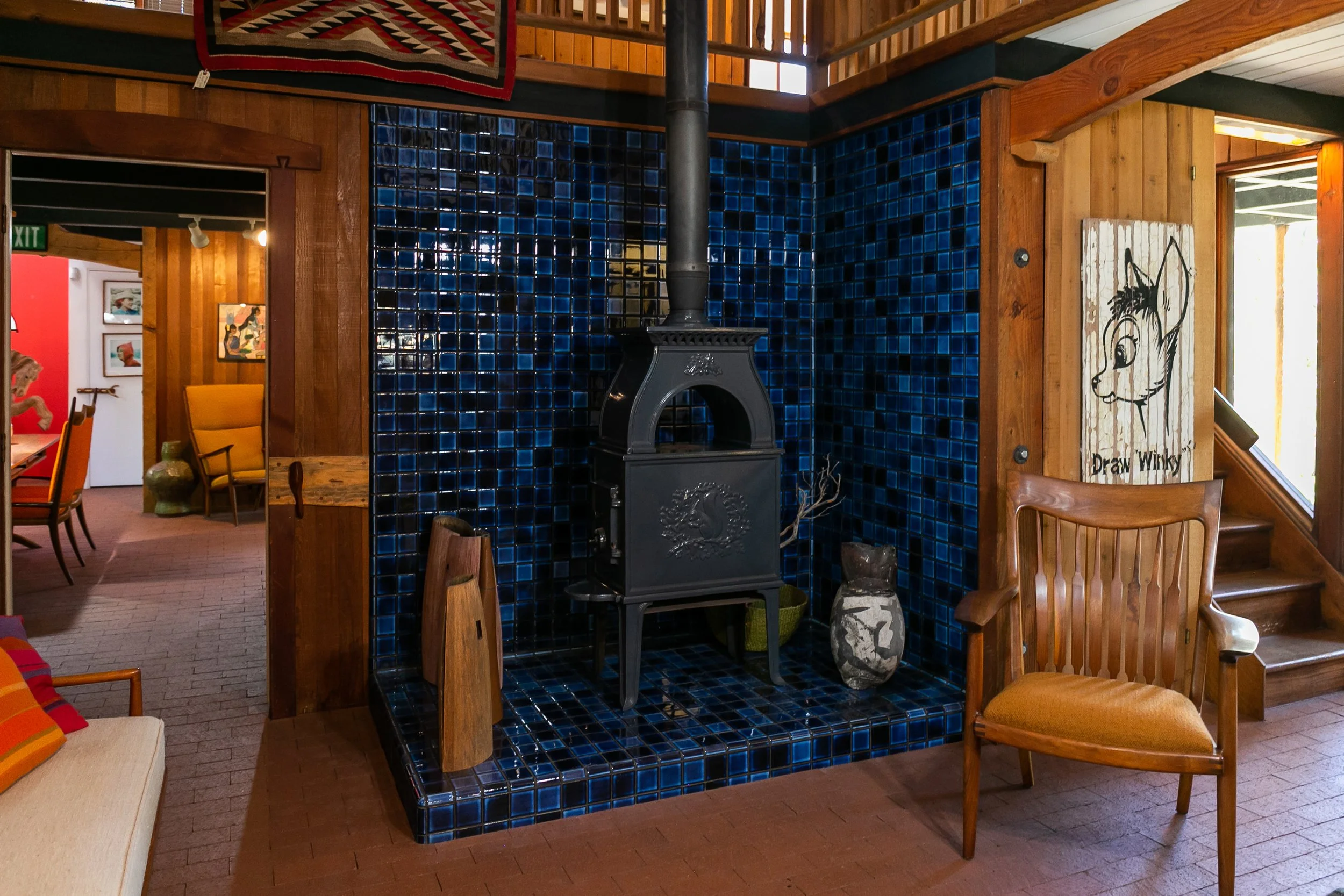
Interior of the Maloof House at the Maloof Foundation in Rancho Cucamonga, CA. Image: Julien Fautrat.
There is something deeply calm about the house. You can take your time, sit down, look at the pieces, move from a rocking chair to an armchair, then turn to the house and the garden with the San Gabriel Mountains in the background. Most of all, the visit offers the chance to experience Maloof’s work in the environment where he imagined and made it for so many years.
Interior of the Maloof House at the Maloof Foundation in Rancho Cucamonga, CA. Image: Julien Fautrat.
The Foundation offers docent-led tours of Sam and Alfreda Maloof's historic home, introducing visitors to the architecture, furniture, and personal collections of the celebrated California craftsman. Tours range from a 45-minute introduction to an extended two-hour visit exploring additional rooms and galleries. The gardens and exhibition gallery are open to the public free of charge. Advance reservations are recommended.
Interior of the Maloof House at the Maloof Foundation in Rancho Cucamonga, CA. Image: Julien Fautrat.
You leave looking at these everyday objects a little differently. Perhaps this is where Maloof’s romanticization of furniture truly lies: in taking something as ordinary as a chair seriously enough to want to make it more beautiful, more considered and more enjoyable to live with.
We would have loved to meet him, sit with him in one of his rocking chairs and simply talk about wood, proportions, comfort and the question that stayed with him throughout his life: how do you sit well?
The Sam and Alfreda Maloof Foundation is located at 5131 Carnelian Street, Rancho Cucamonga, CA 91701, USA. The Gardens and gallery are free to visit. Access to the historic house requires a paid, docent-led tour, and advance reservations are strongly recommended. Information and tour reservations here.
The Sam and Alfreda Maloof Foundation Hours:
Monday–Thursday: Closed to the public
Friday and Saturday: 10:00 AM–4:00 PM
Sunday: 12:00 PM–4:00 PM












At the foot of the San Gabriel Mountains, the historic home of American furniture designer and woodworker Sam Maloof is open to visitors. Writer Dan Latif and photographer Julien Fatraut explore the house, workshop, and gardens of a man who spent decades perfecting the art of sitting well.