
From Ruby to Tawny: Five Port Wines Worth Drinking
Port’s renewed appreciation feels less like a revival and more like a correction. Born in Portugal’s Douro Valley, the variety is remarkably diverse, pushing its categorization beyond the dessert menu. Here are best choices of one of the technically disciplined wine categories in the world.
Why Drink Port Wine?
Port rewards attention. Defined by fortification, it is a story of control. By stopping fermentation at a precise moment, producers shape balance, texture, and aging potential with remarkable intent. The category also offers rare value. Few wines provide this level of age, complexity, and craftsmanship at comparable prices.
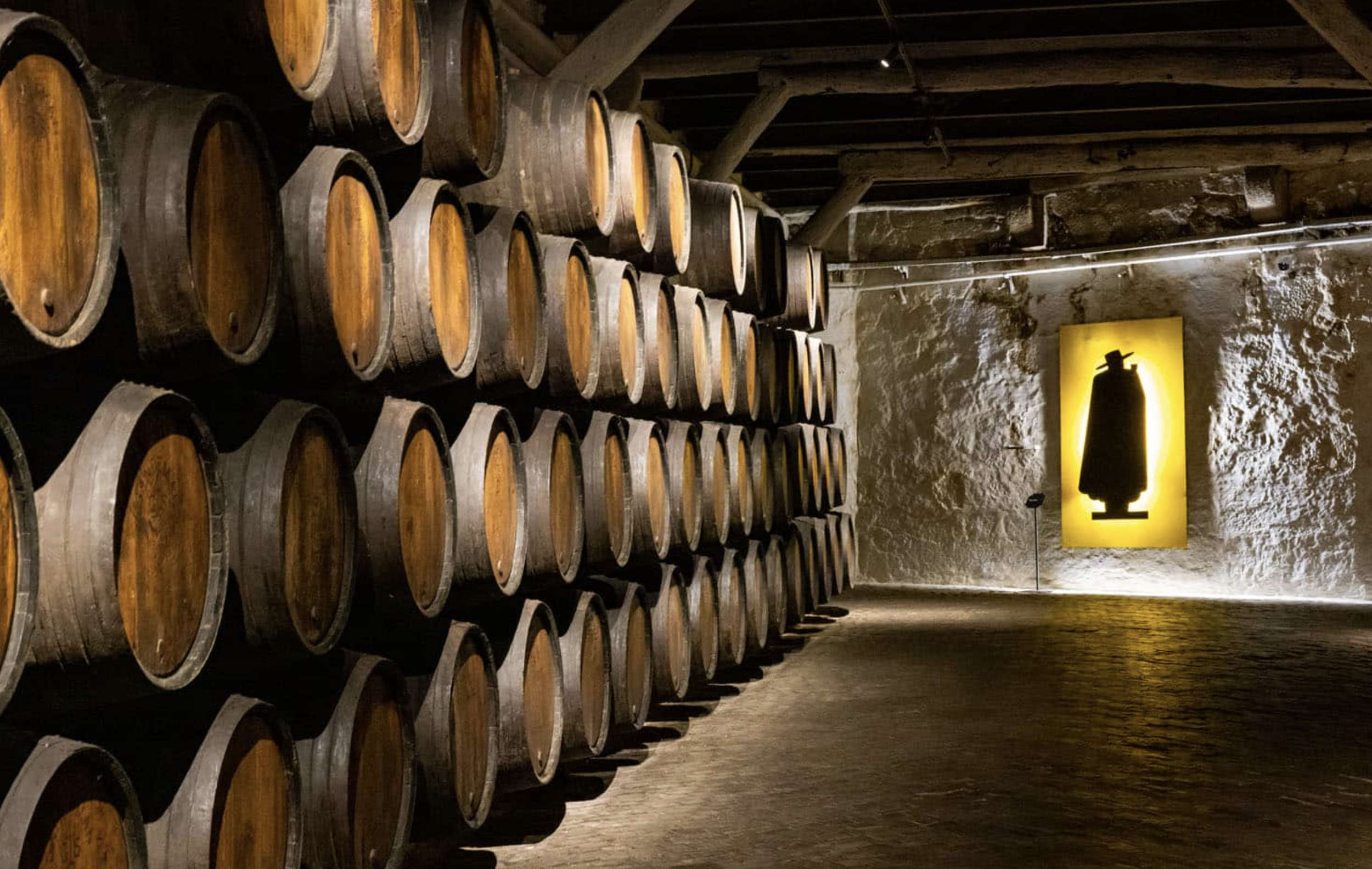
Governed by some of the strictest production controls in viticulture, Port today offers a wide spectrum of expressions, from youthful, fruit-driven wines to bottles shaped patiently over decades. Approached with context, Port reveals itself not as an indulgence, but as a serious wine defined by precision, restraint, and place.
Port Wines to Try
For newcomers, a high-quality Reserve Ruby or a 10 or 20 Year Old Tawny offers the best entry point. Reserve Ruby introduces structure and fruit without heaviness. Aged Tawny demonstrates Port’s elegance and balance, often surprising those who expect sweetness alone.
Graham’s Six Grapes Reserve Port
Style: Reserve Ruby
What is it: A benchmark Reserve Ruby from one of the Douro’s historic houses, blending youthful intensity with careful selection and aging. Six Grapes sits above entry-level Ruby, offering concentration without sacrificing drinkability.
How to talk about it: This is Port as structure rather than sweetness. It demonstrates how selection and blending elevate Ruby from simple to serious without requiring long cellaring.
What it tastes like: Black cherry, blackberry, cocoa, and a firm, clean finish with restrained warmth.
Where to find it: Widely available through fine wine retailers and on-trade lists with strong fortified selections.
Niepoort Late Bottled Vintage Port
Style: LBV
What is it: Bottled after extended aging from a single harvest, this LBV bridges the gap between Ruby and Vintage Port. Niepoort’s version emphasizes balance and transparency over power.
How to talk about it: LBV is often misunderstood as secondary. At its best, it offers immediacy with structure and nuance.
What it tastes like: Ripe plum, dark chocolate, spice, and a controlled, persistent finish.
Where to find it: Specialty wine shops and restaurants with serious Portuguese selections.
What Foods Pair Well With Port Wine?
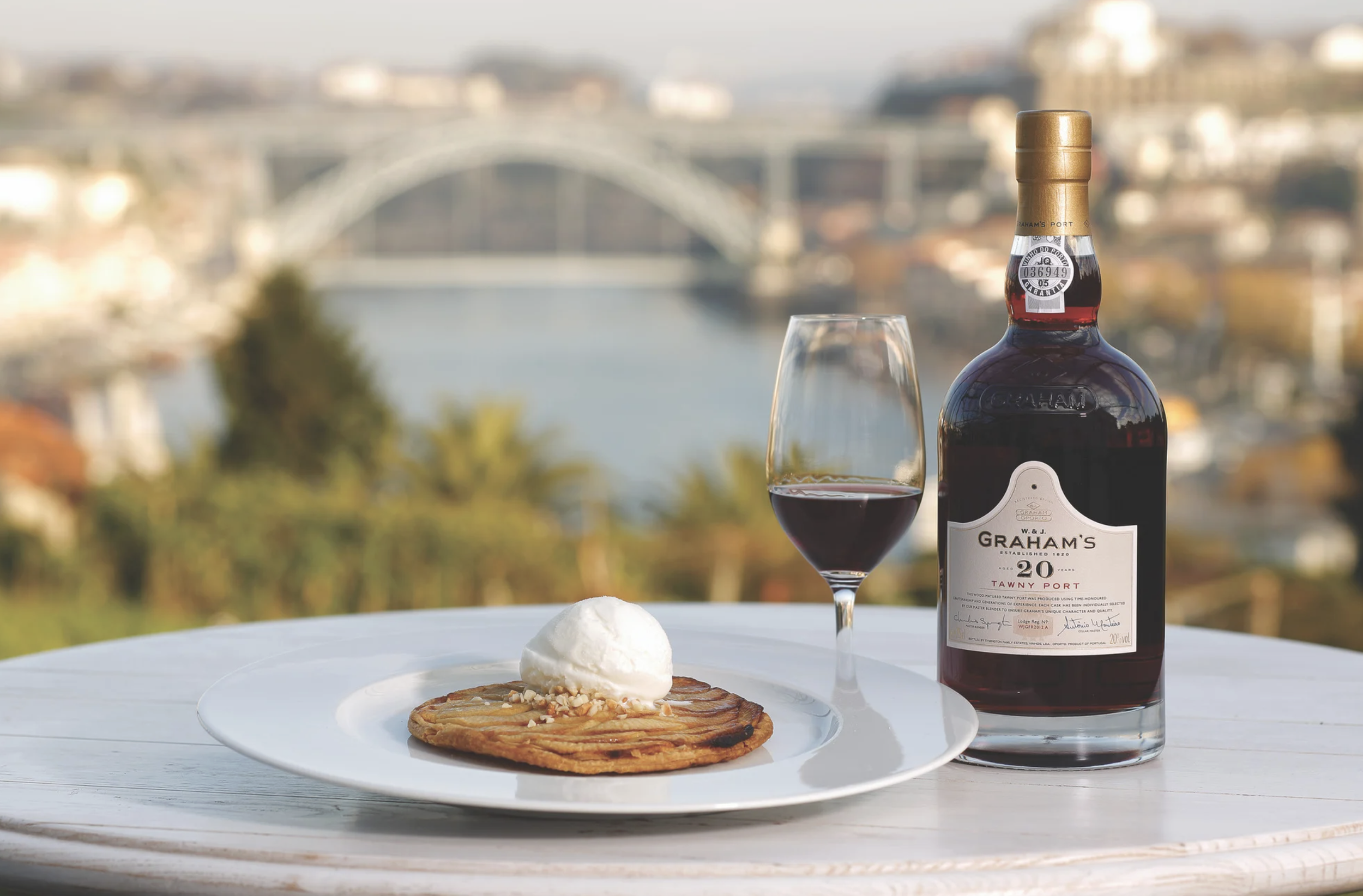
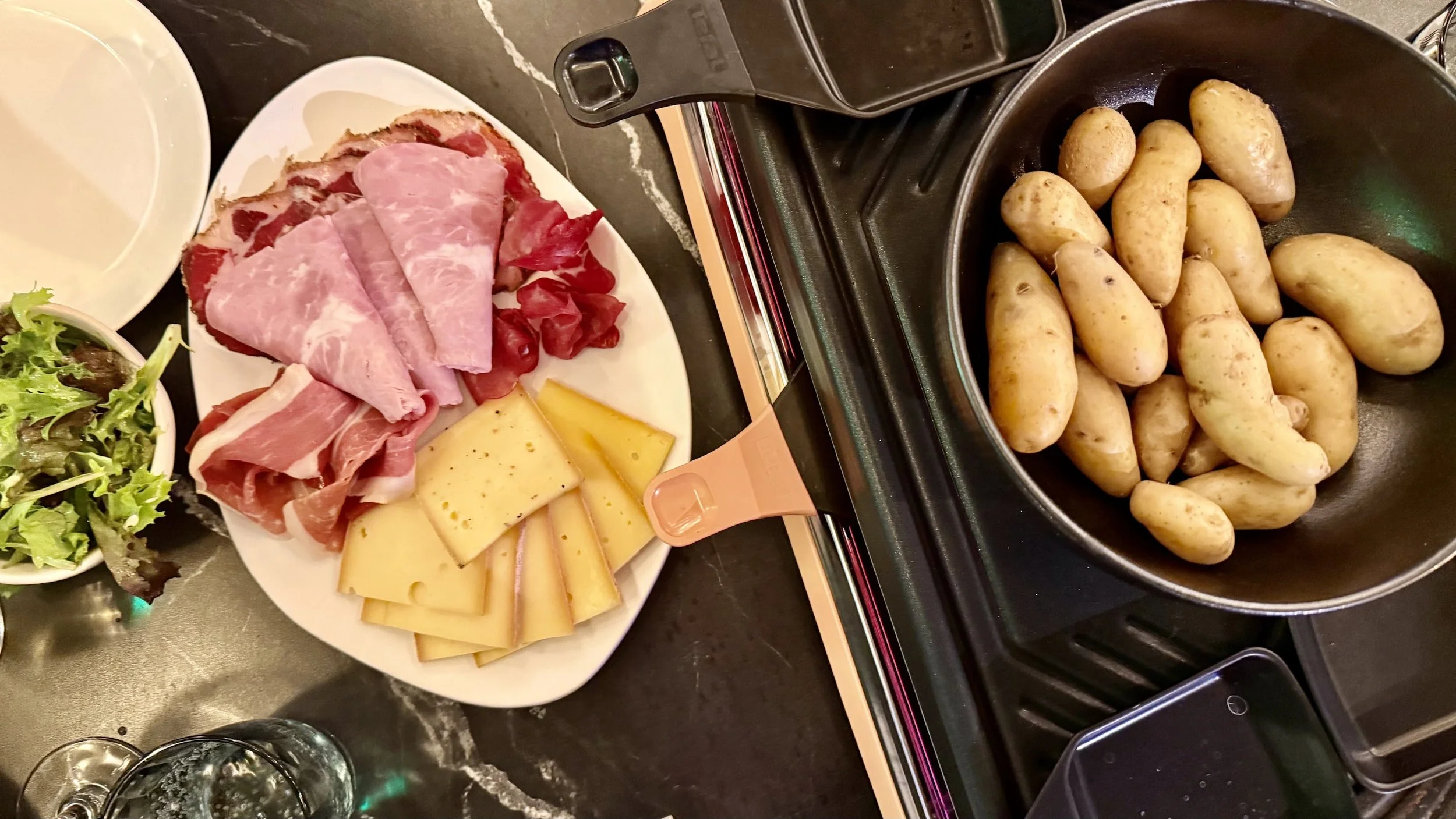
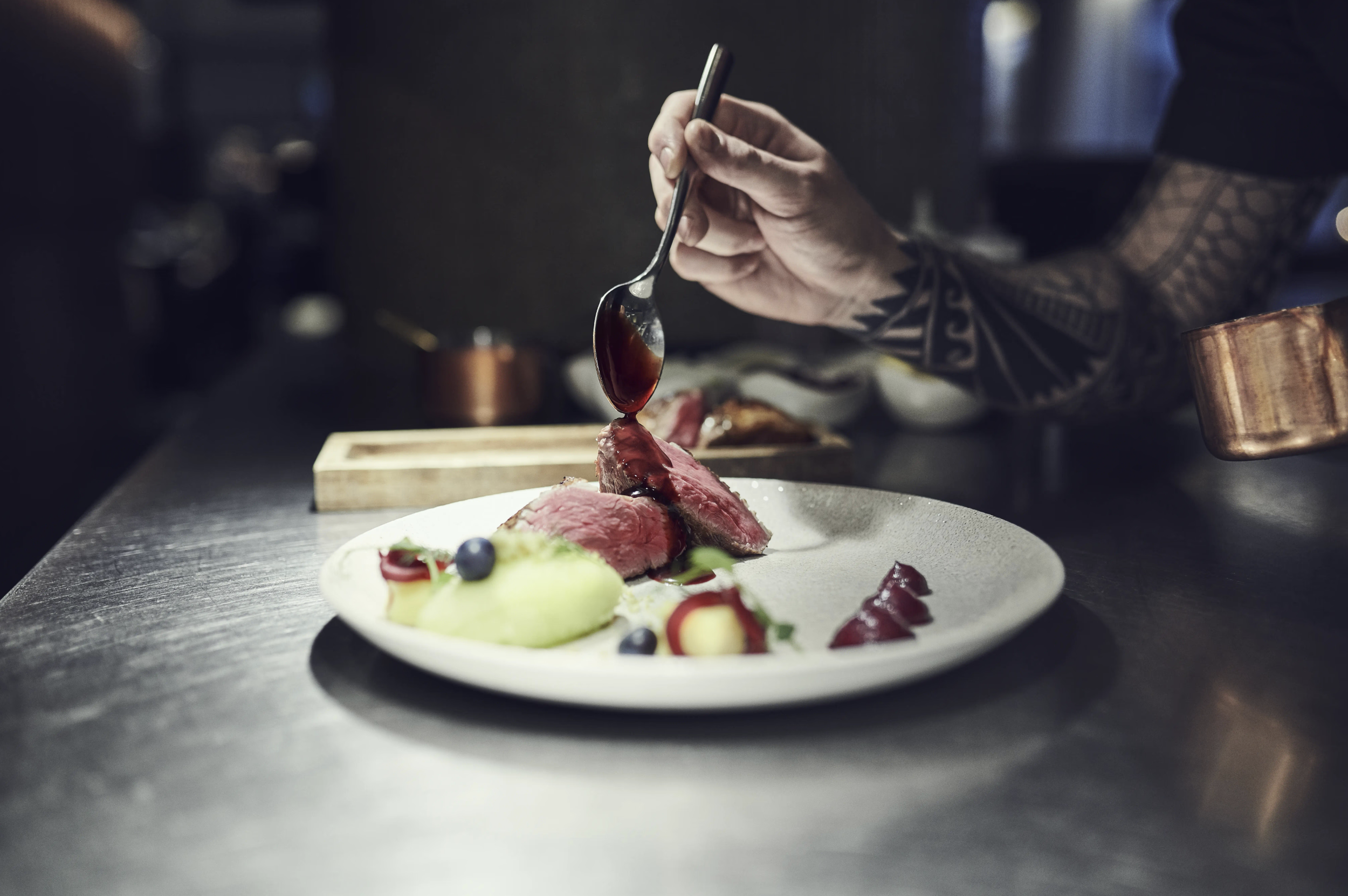
Port’s diversity makes it surprisingly adaptable at the table, going way beyond its usual “dessert wine” pitch. Ruby Ports pair naturally with dark chocolate, berries, blue cheese, and game. Tawny Ports excel alongside nuts, aged cheeses, roasted vegetables, and dishes with caramelized depth. White Port works well as an aperitif, particularly with olives, salted nuts, cured fish, or tonic service over ice. Suprisingly, fruit-heavy desserts can be challenging. Savory and salty pairings often bring out Port’s best qualities.
Taylor Fladgate 20 Year Old Tawny Port
Style: Aged Tawny
What is it: A blend of wines aged in oak cask, averaged to twenty years, showcasing the effects of oxidation and time.
How to talk about it: Age statements on Tawny Port reflect style rather than exact years. This is about balance, not chronology.
What it tastes like: Dried fig, toasted almond, caramel, orange peel, and polished acidity.
Where to find it: Readily available through fine wine merchants and any respectable lounge.
Kopke Colheita Port
Style: Colheita Tawny
What is it: A single-harvest Tawny aged extensively in barrel before bottling. Kopke is particularly known for clarity and precision in this style.
How to talk about it: Colheita offers the specificity of vintage with the softness of Tawny aging. It is one of Port’s most intellectually satisfying categories.
What it tastes like: Hazelnut, dried apricot, baking spice, and layered sweetness balanced by lift.
Where to find it: Available through specialty importers and select online retailers.
Quinta do Noval Vintage Port
Style: Vintage
What is it: Produced only in exceptional years, Vintage Port is bottled young and intended for long aging. Quinta do Noval is a reference point for elegance within the category.
How to talk about it: Vintage Port is about patience. It rewards decades, not months.
What it tastes like: Dense black fruit, floral notes, minerality, and powerful structure that unfolds slowly.
Where to find it: Fine wine merchants and auction channels.
Honorable Mention: White Port
Often overlooked, White Port deserves renewed attention. Made from white grapes, it ranges from dry to sweet and works exceptionally well chilled or mixed with tonic and citrus. It is Port at its most versatile and contemporary, without abandoning tradition.














In recent years, Port wine has been quietly reasserting itself not as a relic of after-dinner ritual but as one of the wine world’s most technically rigorous and expressive categories. Dan Latif samples a selection at a masterclass in New York City hosted by the Port and Douro Wines Institute (IVDP).