INTERVIEW: Sandro Miller on Four Decades Behind the Lens and Why He Never Photographs Smiles
With a body of work spanning nearly forty years and hundreds of subjects ranging from Papua New Guinean locals to Michael Jordan, Sandro Miller speaks with The Interior Review on creativity, the discipline of editing, and advice for new photographers alongside the release of his photo book, Sandro Miller, On Earth As It Is Not In Heaven.
Sandro Miller’s Explorations of Human Condition
Born in Chicago, Sandro Miller’s career has taken him across the world and into hundreds of lives, leading to countless sittings shaped by his fascination with the past and the human condition. Miller is particularly known for his long-standing collaboration with actor and producer John Malkovich (The Killing Fields, Being John Malkovich), in which the pair reinterpret iconic images from the history of photography.
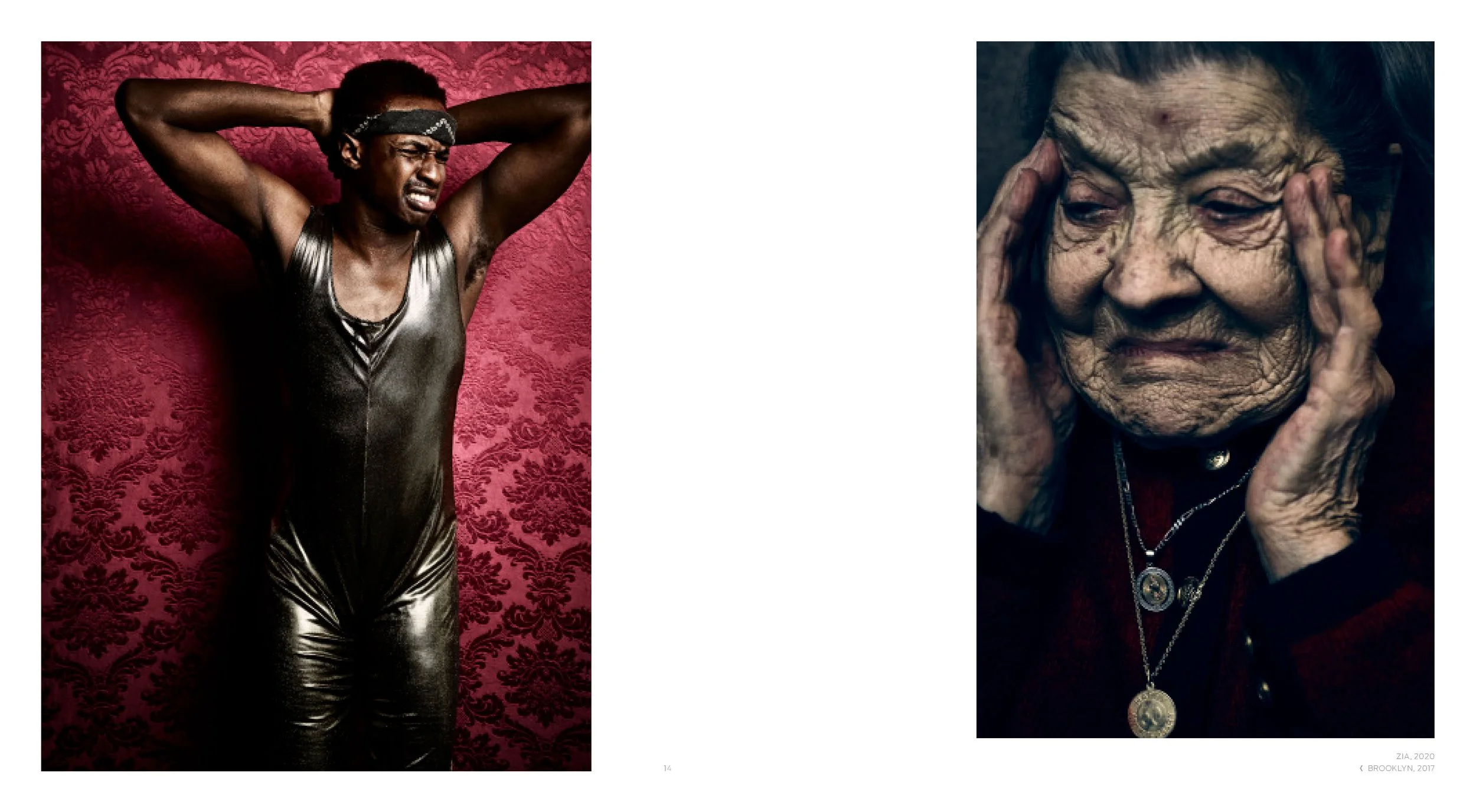
Brooklyn (2017) and Zia (2020), featured in Sandro Miller, On Earth As It Is Not In Heaven. Image: Sandro Miller via SKIRA.
Miller’s portraits are marked by texture, emphasized through a strategic use of light and shadow. The photographer occasionally employs backdrops to heighten drama, but often places the subject in a spacious nothingness. Eye contact is not guaranteed, and smiles are practically unheard of. Theatricality emerges regularly; sitters contort and shift before the viewer’s eyes. Classical eras of art are clearly referenced, with Romantic and Gothic influences merging with surrealism and even Dadaist techniques.
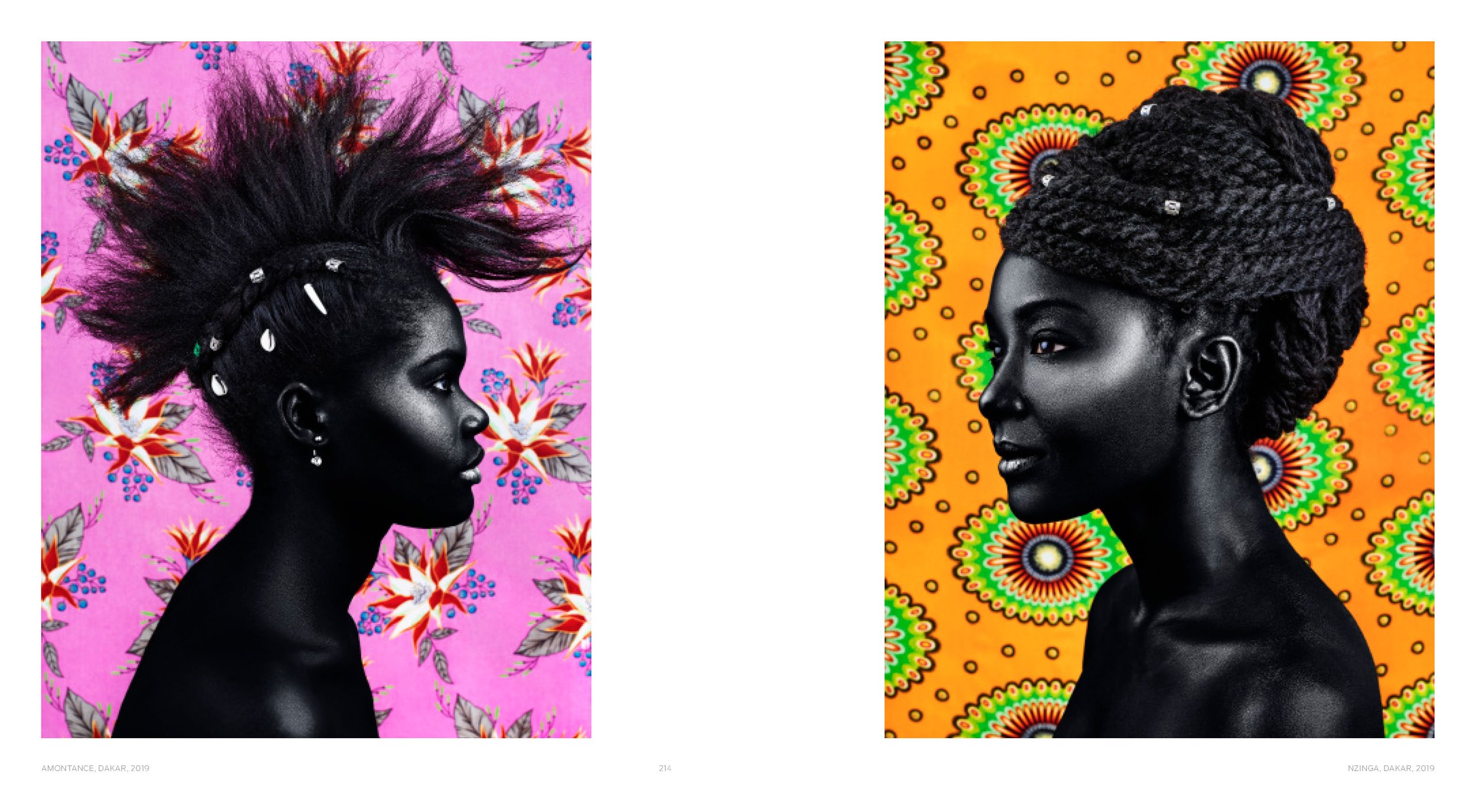
Amontance (2019) and Nzinga (2019), featured in Sandro Miller, On Earth As It Is Not In Heaven. Image: Sandro Miller via SKIRA.
The new photo book, Sandro Miller, On Earth As It Is Not In Heaven, lays bare the results of these emotional exercises: over 200 rich images, rendered in total reverence for the human experience; a visual examination of lives lived, imbued with an air of respect that feels, at times, almost consecratory in its solemnity.
The Interior Review Interview with Sandro Miller
Editor’s note:
This interview was conducted via email and edited for clarity.
The Interior Review: Do you have any rituals or habits to help you get into a creative headspace?
Sandro Miller: I often visit museums, art galleries, poetry readings, musical concerts, ballet, and theatre. I surround myself with art and artists. This helps keep my mind open, free, and inspired. I also meditate at least once a day, often twice.
David Lynch, one of my greatest inspirers, told me that almost all of his great ideas for his art and films come from meditation. He says you have to go deep in your meditation, to where the big fish swim. Your best ideas will come to you there. It’s true; some of my most interesting ideas arise deep in my meditations.
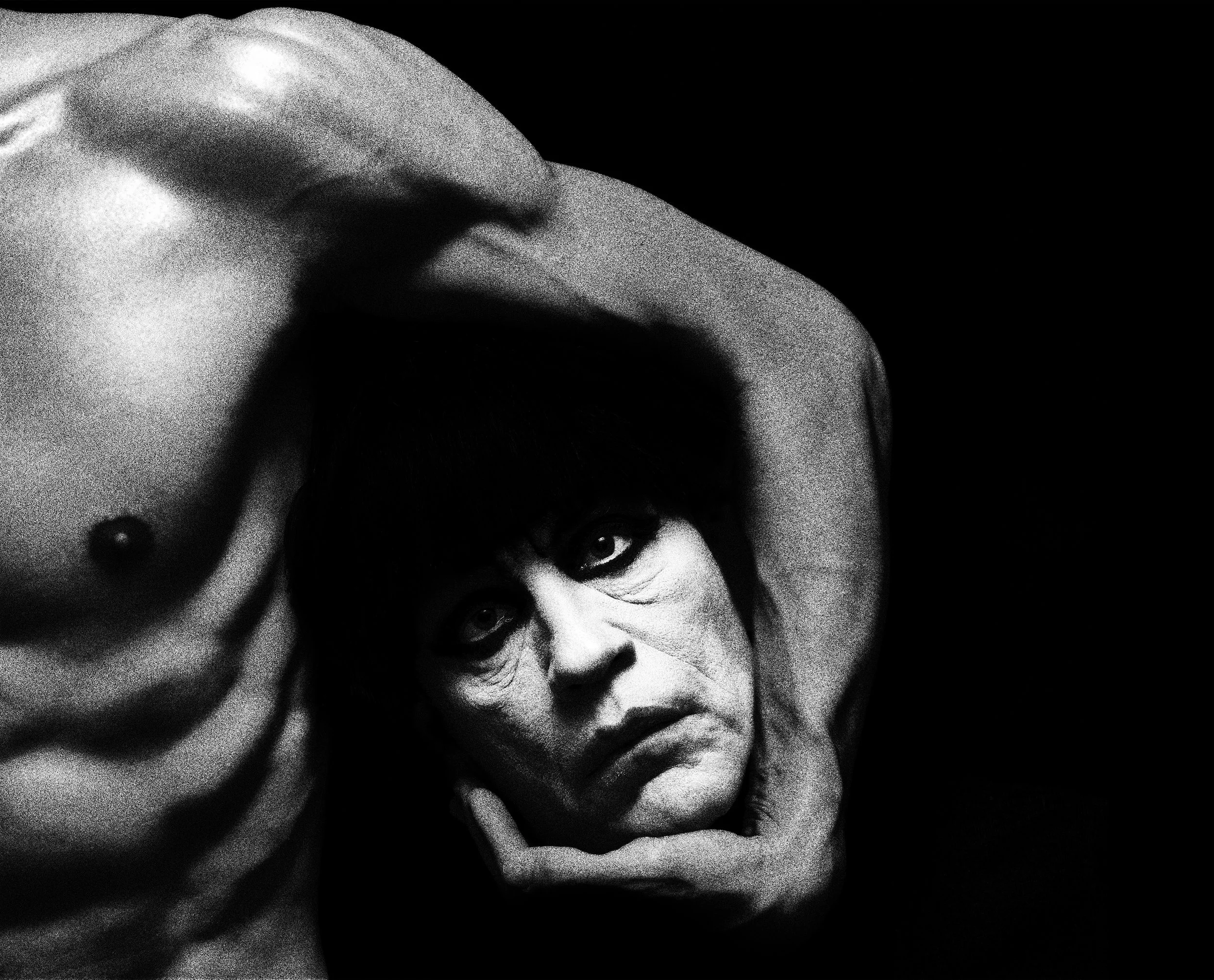
After Hosoe. Image: Sandro Miller via SKIRA.
TIR: The new book spans more than three decades. What feels consistent in your work across that time, and what has changed?
Sandro: The book actually spans nearly four decades. What has remained consistent for me is that my portraits must move my viewer emotionally. I never tried to base my portraits on my sitter, as that would guide me into creating very stale, almost emotionless portraits. I never do portraits of people smiling, as it seems false to me. My goals have remained the same: go deep, find that little secret I want to expose, but don’t give the whole story away. Leave my viewer wanting more, asking questions about what they are viewing. Not much has changed over these years, except maybe my process.
In recent years, I’ve tried to get closer to my sitters—or, as I call them, my collaborators—to know them a bit before our sessions. This allows me to draw on that knowledge to evoke a powerful emotion.
TIR: How do you decide what to reveal versus what to leave unresolved in a portrait?
Sandro: I want to reveal the scars, the past, the darker side of one’s life. Portraits are about telling a story in a single image. Each of us has experienced pain, hardship, and adversity. We relate to these emotions; they ask us to have empathy and compassion.
It’s important that my viewers feel something in their gut, almost experience it themselves. I’m not looking for my viewers to feel despair, but I want them to reflect and better understand why people are the way they are. I rarely leave anything unresolved. I want everything to be exposed.
TIR: Do you know in the moment when you’ve captured something emotionally powerful, or only afterward?
Sandro: When I work on a portrait, I go deep into my world. I study my collaborator—top, bottom, side to side. My eye works like a scanner. I know where the portrait is going; I control the shoot and have the power to make it as I want. Much like a painter with a brush and a subject in front of him, I control the light, the mood, the angle, and the emotion I want to draw. I know right away when I’ve captured the moment that will move my viewers. It’s usually a “yes” moment, followed by a sigh of emotion when I know I have it.
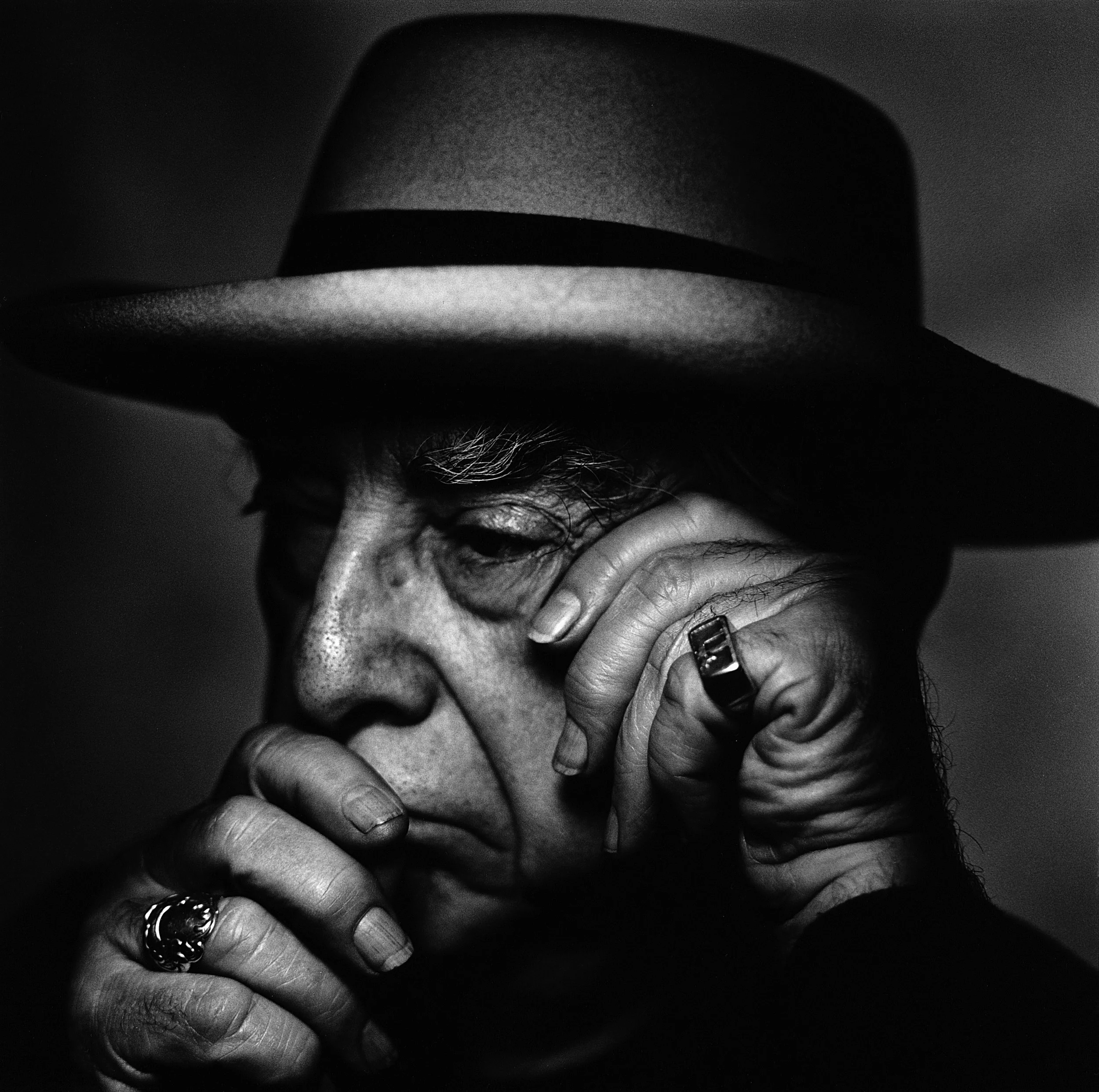
Nathan Gluck. Image: Sandro Miller via SKIRA.
TIR: How does your approach differ when photographing cultural icons versus everyday individuals?
Sandro: My approach doesn’t differ much between cultural icons and the everyday people I photograph. I don’t believe one should get more or less respect than the other. I have a profound love and respect for everyone who steps into my studio, wherever that may be, and is willing to give themselves to me. I usually start with an embrace.
I want whoever I’m working with to understand that I truly care, and that photographing them is a privilege. I don’t stand on the pedestal; I put my collaborator on that pedestal. My job is to make them pliable, release any preconceptions, and become vulnerable. Then I can do my work.
TIR: What role does light play in shaping the emotional tone of your portraits?
Sandro: Lighting is a major factor in what I create day to day. I’m extremely versatile with light and use many different sources to create different qualities. I am almost always a one-light artist. God created one sun, so I figure he had it right—one light is all we need to create beauty. Once I have my subject lit, I begin to sculpt the light away, carving it off the subject to find the essential amount needed to tell the story. Sometimes I feel as much a painter and a sculptor as a photographer.
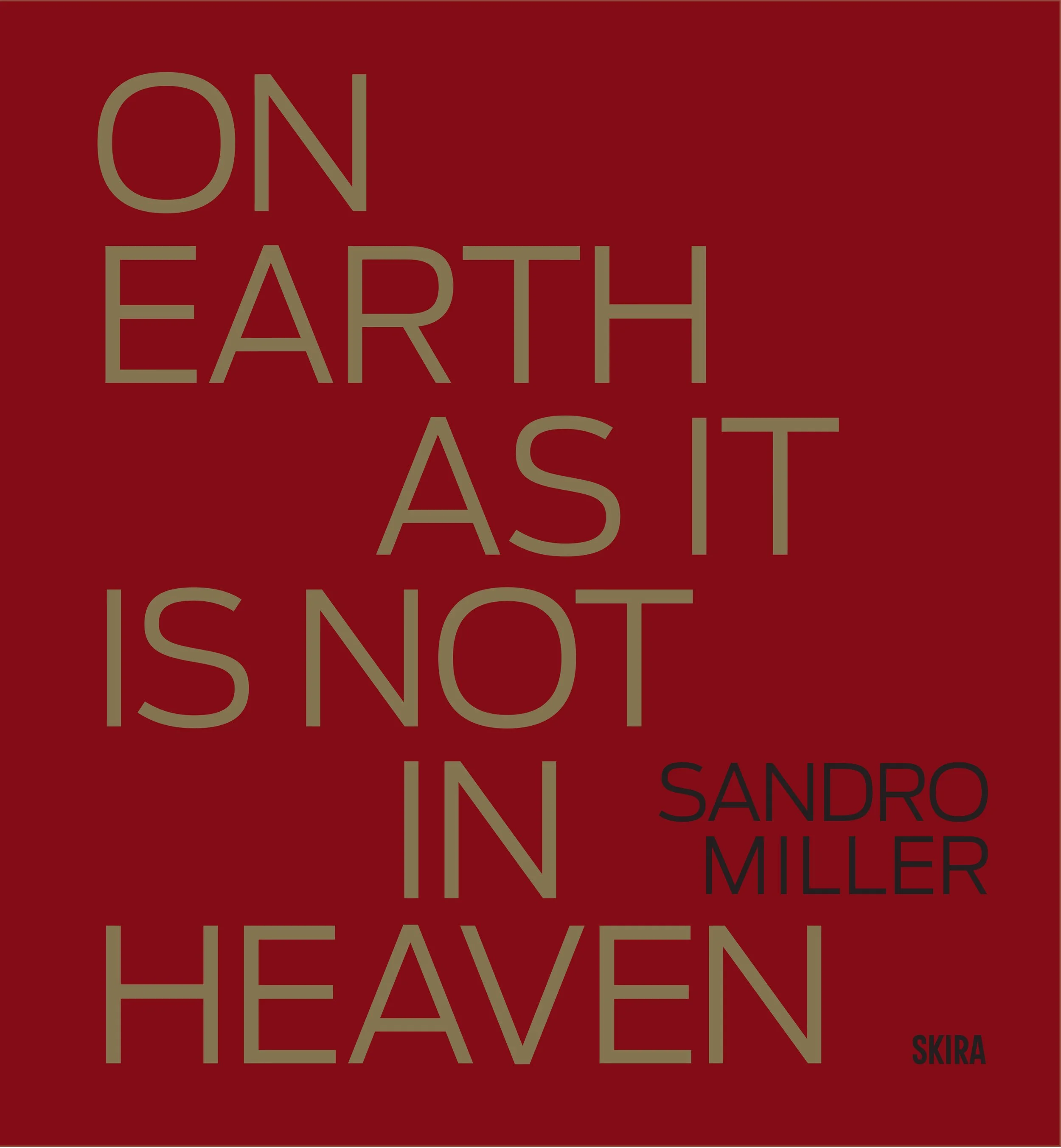
Sandro Miller, On Earth as It Is Not in Heaven (2025). Image: via SKIRA.
TIR: What was the most difficult part of editing and selecting images for this book?
Sandro: The most difficult part of editing any book is releasing your babies. We photographers tend to think every shot we take is the next Mona Lisa. Letting go is the hardest part. For my latest book, On Earth as It Is Not in Heaven, I reached out to five curators to help with selections. I sent each curator 2,500 images, edited down from thousands. I asked each to choose their favorite 500. From there, I created a star system—images with five, four, or sometimes three stars made it into the book.
TIR: What should emerging photographers focus on early that most people overlook?
Sandro: Emerging photographers should focus on their mission. What do you want to say with your photographs? Where do you want them to be seen? Is money important, knowing that photography does not always lead to a lucrative career? Are you ready to accept rejection? Photography is not for the nine-to-five. It’s a lifestyle that requires nurturing, dedication, and sacrifice. If you’re not willing to dedicate your life to it, leave now. What is often overlooked is the business side. Many artists fail not because their work isn’t good enough, but because they fail at the business. It’s important to be business-savvy.
TIR: What is your favorite hotel in the world?
Sandro: My favorite hotel will always be my home. There is no place like it. Our home has the art collection my wife and I chose. It makes us feel good, inspired, and comfortable. The food we make nourishes us. It is simply more comfortable to live freely in your own space.
TIR: What’s your favorite piece of furniture in your house?
Sandro: My favorite piece of furniture is our bed. It’s where we rest, meditate, read, and spend time together. It’s made from African mahogany, with spiritual stones inlaid in it. I feel safe there. It’s my place of peace, where I regenerate my mind and body.
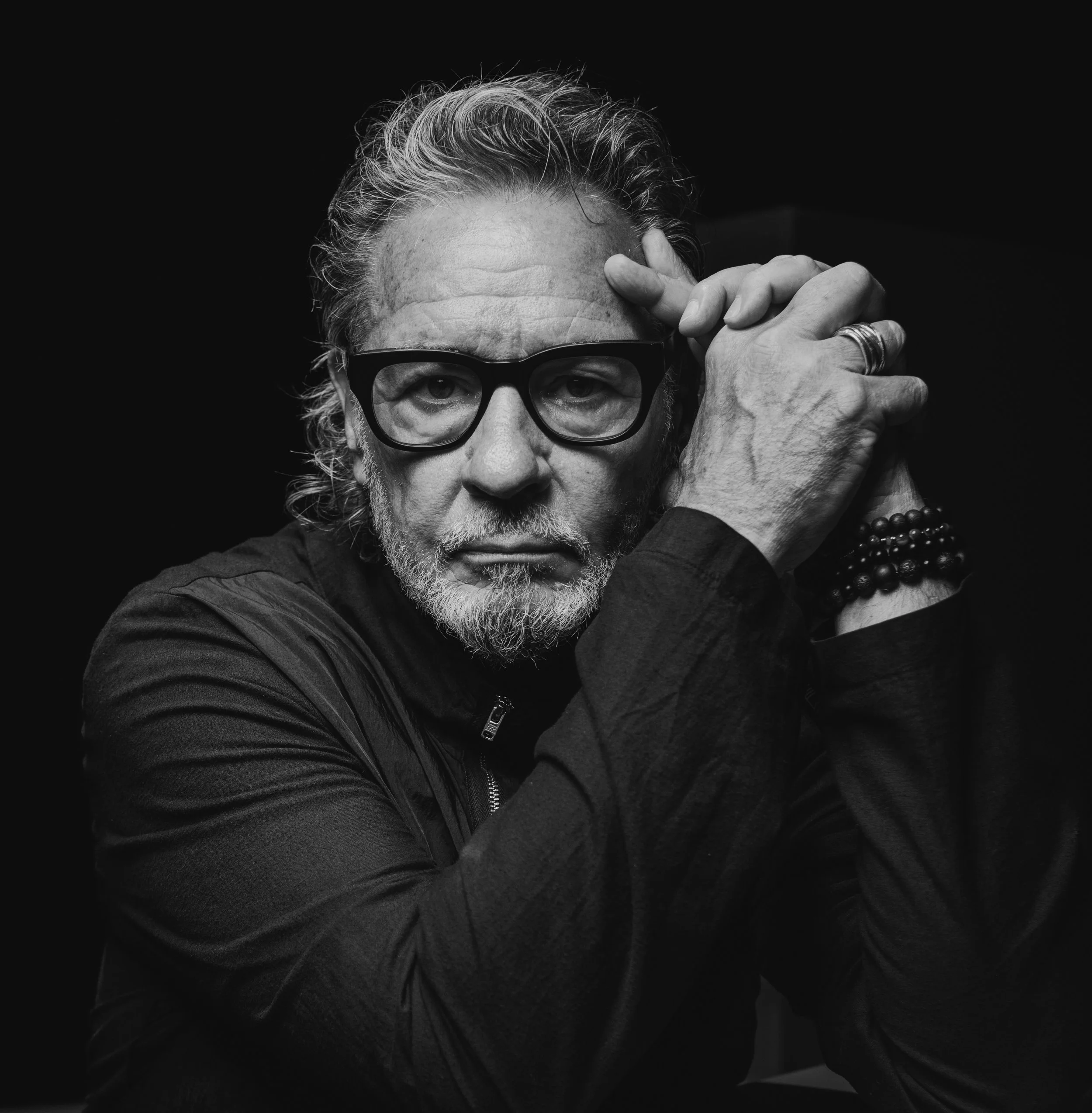
Sandro Miller. Image: Sandro Miller.
Sandro Miller, On Earth As It Is Not In Heaven (2025) features over two-hundred color illustrations spanning nearly four decades of work. The photo book is available for purchase at SKIRA.






With a body of work spanning nearly forty years and hundreds of subjects ranging from Papua New Guinean locals to Michael Jordan, Sandro Miller speaks with The Interior Review on creativity, the discipline of editing, and advice for new photographers alongside the release of his photo book, Sandro Miller, On Earth As It Is Not In Heaven.